Rangiroa Blue Lagoon Tour
Travel Guide

Is the Blue Lagoon Worth Visiting

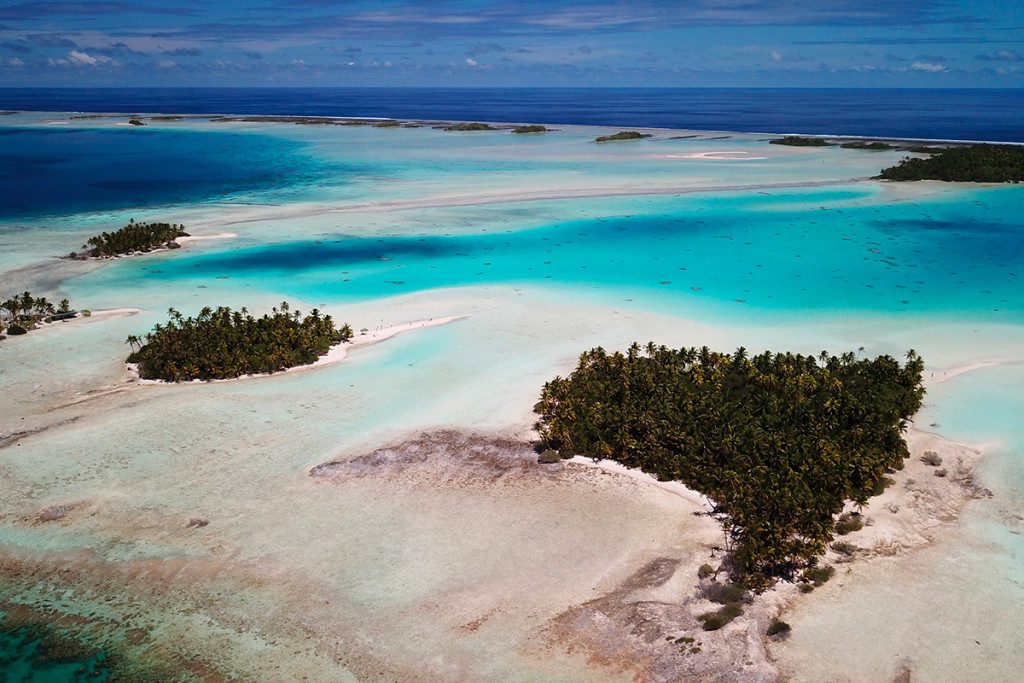
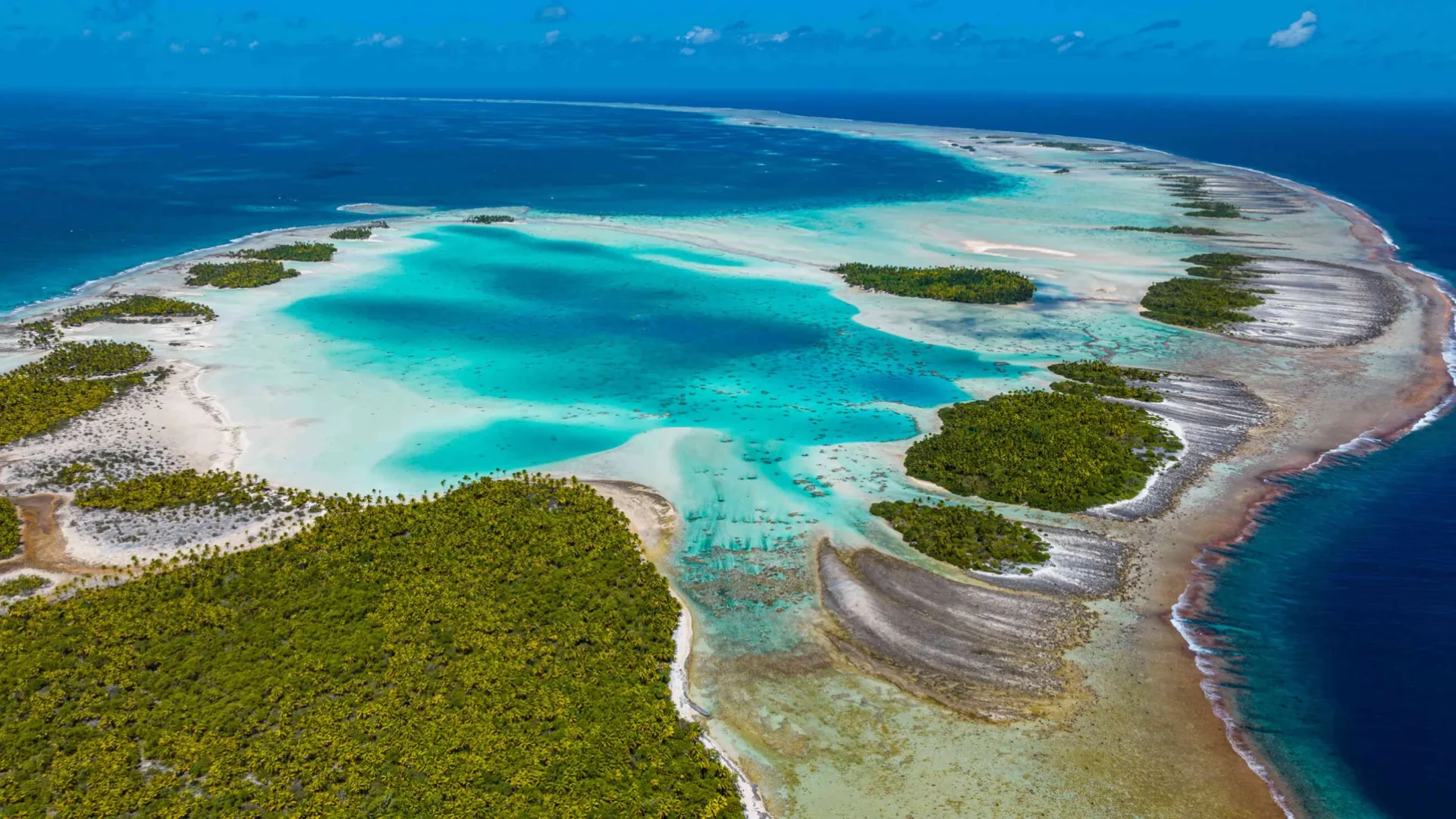
Rangiroa's Blue Lagoon sits at the far edge of the atoll, accessible only by boat and visible from space as a pool of luminous turquoise inside an already-blue Pacific. The excursion crosses open water, anchors in waist-deep coral, and returns visitors to the question travelers ask before booking: is the experience worth the journey?

8 min read Updated 2026-08-20 Fact-checked
Is the Blue Lagoon Worth Visiting

Quick answer

Yes — the Blue Lagoon is worth visiting if you snorkel and want to see blacktip reef sharks, manta rays, and living coral in water that shifts from sapphire to neon turquoise depending on the sand depth. Entry is free, but access requires a paid boat excursion departing from Avatoru village. The lagoon offers no facilities, no shade, and no land tour — it is purely an open-water snorkeling site. Daylight hours between 08:30 and 16:30 offer the best visibility and calm conditions for the crossing.

The Blue Lagoon occupies a shallow basin on Rangiroa's southeastern rim, hemmed by coral ridges and fed by tidal channels that flush plankton-rich water into the enclosure twice daily. That circulation sustains one of French Polynesia's densest reef-shark populations — blacktips cruise the shallows in groups of ten or more, unbothered by snorkelers floating overhead. The water depth averages two to four meters, the sand beneath is bone-white, and the refracted light creates the turquoise gradient that defines the site. Whether the Blue Lagoon excursion is worth the investment depends on your tolerance for open-water crossings and your interest in marine life. The boat ride from Avatoru takes sixty to ninety minutes, crossing the atoll's interior lagoon where swells can exceed a meter. Once anchored, visitors swim freely — guides point out eagle rays, Napoleon wrasse, and coral formations, but the experience is unstructured. There are no pontoons, no underwater trails, no interpretive signs. If you snorkel confidently and value remote coral ecosystems over amenities, the lagoon rewards. Is the Blue Lagoon worth visiting for non-snorkelers? No. The excursion offers no beach, no shaded seating, and no land-based activities. The boat anchors in open water, and passengers spend two to three hours in the lagoon or aboard the vessel. Photographers capture drone perspectives and the reef sharks make compelling subjects, but passive observation from the boat does not justify the excursion cost or duration. The lagoon's appeal is visceral — it requires entering the water to understand why the site ranks among the atoll's signature experiences. Rangiroa's isolation amplifies the lagoon's value. The atoll draws fewer than ten thousand visitors annually, and the Blue Lagoon sees a fraction of that traffic. Excursions anchor alone most days, and the coral remains undamaged by mooring chains or foot traffic. That preservation comes at the cost of convenience — no facilities exist on-site, and weather cancellations are common between November and March when trade winds strengthen. The lagoon is worth visiting if you prioritize marine biodiversity and accept the logistics required to reach a site this remote.

“The Blue Lagoon's blacktip reef sharks cruise in groups of ten or more, unbothered by snorkelers floating in water that shifts from sapphire to neon turquoise.”
Prices

Is the Blue Lagoon Worth Visiting: Admission and Access Costs

The Blue Lagoon in Rangiroa is a natural site with no official entry fee. Access requires securing transport via a commercial boat excursion, as the location is only reachable by water.

Entrance Fee Free entry to the site itself
0 XPF
Boat Excursion Required for site access
Varies by operator
Entry to the lagoon is free of charge for all visitors.

Verdict: While the site itself costs 0 XPF, the total cost depends entirely on the price set by your chosen boat excursion provider.

Directions

Getting to the Blue Lagoon: Is It Worth Visiting Logistically?

The Blue Lagoon is situated in the southwestern part of the Rangiroa atoll, accessible exclusively by water. Visitors must join organized boat excursions departing from the main villages of Tiputa or Avatoru.

Boat 60–90 min

Excursion from Avatoru wharf

Boat 60–90 min

Excursion from Tiputa village

Plan your travel within the best arrival window of 08:30–16:30 to maximize available daylight for snorkeling and lagoon activities.

What to see

Features That Make the Blue Lagoon Worth Visiting

The Blue Lagoon, known as Lagon Bleu, is a distinct ecosystem separated from the main lagoon of Rangiroa by coral reefs. It is characterized by its shallow, crystalline waters and diverse marine life.

Motu Rimatu'a

Motu Rimatu'a

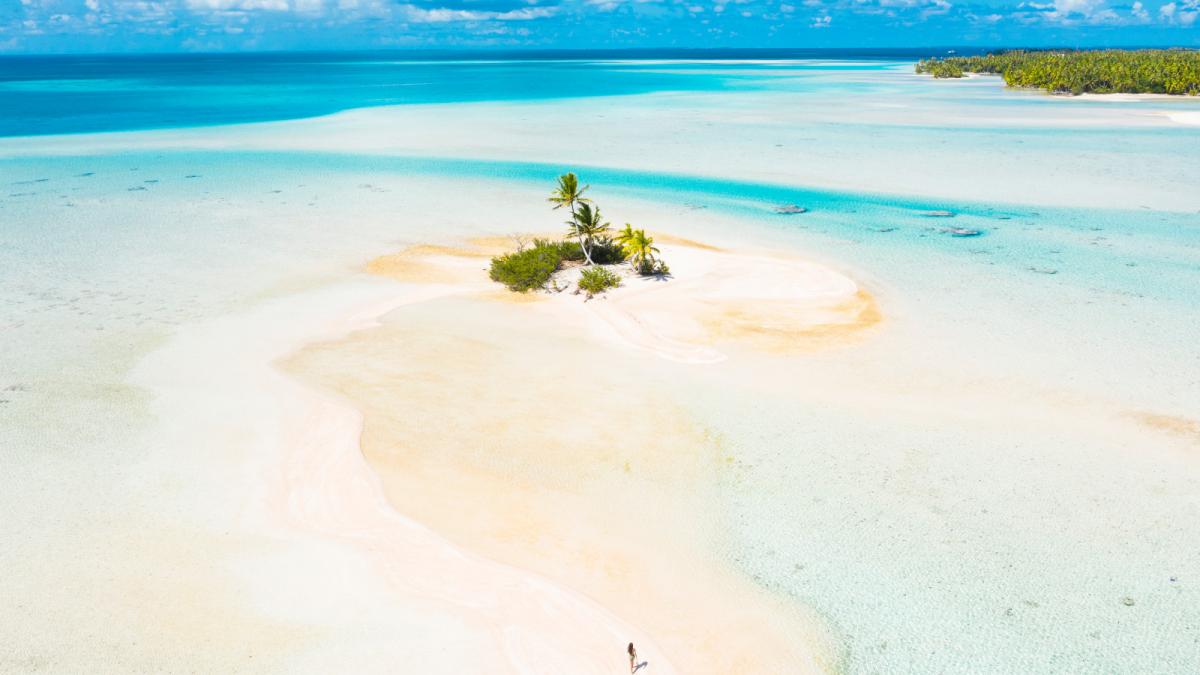
This small islet sits at the center of the site and features white sand beaches surrounded by shallow pools. It provides a vantage point for viewing the transition between the vibrant turquoise and deep blue waters.

Walk the perimeter of the islet to see the contrast.
Coral Gardens

Coral Gardens

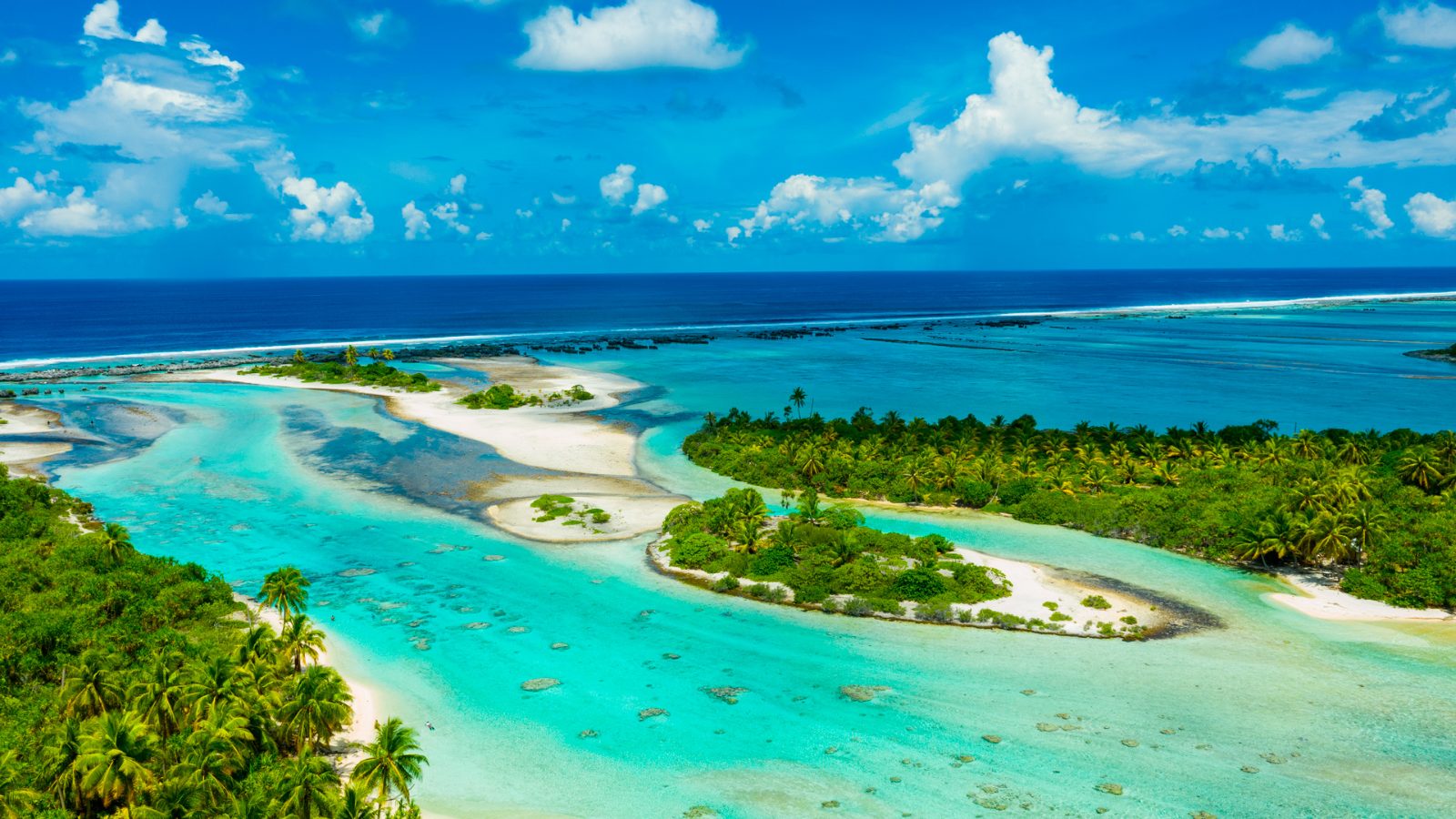
The peripheral reefs are home to a variety of tropical fish, including blacktip reef sharks and parrotfish. These areas are typically clear enough to observe marine activity without deep diving.

Keep your mask submerged to track movement in the corals.

The Barrier Reef

The Barrier Reef

This natural formation creates the enclosure that protects the Blue Lagoon from the open ocean currents. It is a transition zone where the water color shifts rapidly.

Look toward the outer reef to see wave breaks.

Bird Island

Bird Island

Adjacent to the lagoon, this area serves as a nesting ground for various sea birds in the Tuamotu Archipelago. It offers a look at the local avian wildlife in their natural habitat.

Use binoculars from your boat to spot nesting birds.

Insider tips

Is the Blue Lagoon Worth Visiting? Essential Tips for Your Trip

Preparation ensures a comfortable experience when exploring the shallow, reflective waters of the Rangiroa Blue Lagoon.

1

Reef protection

Apply reef-safe sunscreen at least 20 minutes before entering the water to minimize environmental impact. The shallow nature of the lagoon means high UV exposure, so wear a long-sleeved rash guard for extended skin protection.

2

Footwear requirements

Wear sturdy water shoes to navigate the lagoon edges. Sharp coral fragments are common along the perimeter and can easily cause cuts if you are barefoot.

3

Wildlife observation

Observe blacktip reef sharks from a calm distance. These juvenile sharks typically inhabit the shallow sandy areas and are generally indifferent to snorkelers who remain still.

4

Gear preparation

Bring a mask with a dry-top snorkel to manage the occasional surface chop. Sand can get kicked up by currents, so rinse your gear thoroughly after use to prevent abrasive damage to lenses.

5

Hydration logistics

Pack more water than you anticipate needing for the day. Excursion boats provide shade, but the lack of natural cover on the small islets makes dehydration a frequent issue for visitors.

Book

Check availability

Frequently asked

Frequently asked questions about is the blue lagoon worth visiting

Everything you need to know about is the blue lagoon worth visiting

Is the blue lagoon worth visiting for first-time travelers?

The Blue Lagoon is widely considered a highlight of any trip to the Tuamotu Archipelago due to its pristine waters and diverse marine life. Most visitors agree that the natural beauty of this lagoon within a lagoon makes it a unique experience that is the blue lagoon worth visiting for those seeking an unforgettable island environment.

How do I reach the Blue Lagoon in Rangiroa?

The site is located on the western edge of the atoll and is accessible only by boat. Visitors typically book a full-day guided excursion from the main villages of Avatoru or Tiputa, which includes a scenic boat ride lasting approximately one hour each way.

What is the typical cost for a Blue Lagoon tour?

While entry to the lagoon itself is 0 XPF, the site is only accessible via paid boat excursions. Prices vary depending on the operator and inclusions such as lunch or snorkeling gear, so it is recommended to book your Rangiroa boat tour in advance.

Are there specific opening hours for the Blue Lagoon?

The Blue Lagoon is open every day from 00:00 to 23:59, though it is best enjoyed during the recommended arrival window of 08:30–16:30. These daylight hours provide the best conditions for snorkeling and exploring the shallow sandbanks when the tide is optimal.

Can I visit the Blue Lagoon with children?

Yes, most families find the excursion appropriate, as the shallow water is perfect for wading and viewing marine life. Travelers should confirm with tour operators regarding safety gear and child-friendly amenities, as is the blue lagoon worth visiting often depends on the comfort levels of younger guests in the water.

What should I bring to my Blue Lagoon excursion?

Essential items for your day trip include sun protection, a waterproof camera, and swimwear. Since many tours offer a remote picnic, bringing a dry change of clothes and a reusable water bottle will ensure you are prepared for the full-day journey to this Rangiroa landmark.

Keep reading

More guides & pages