
English| EUR
Suggested for you
More currencies
Choose a language
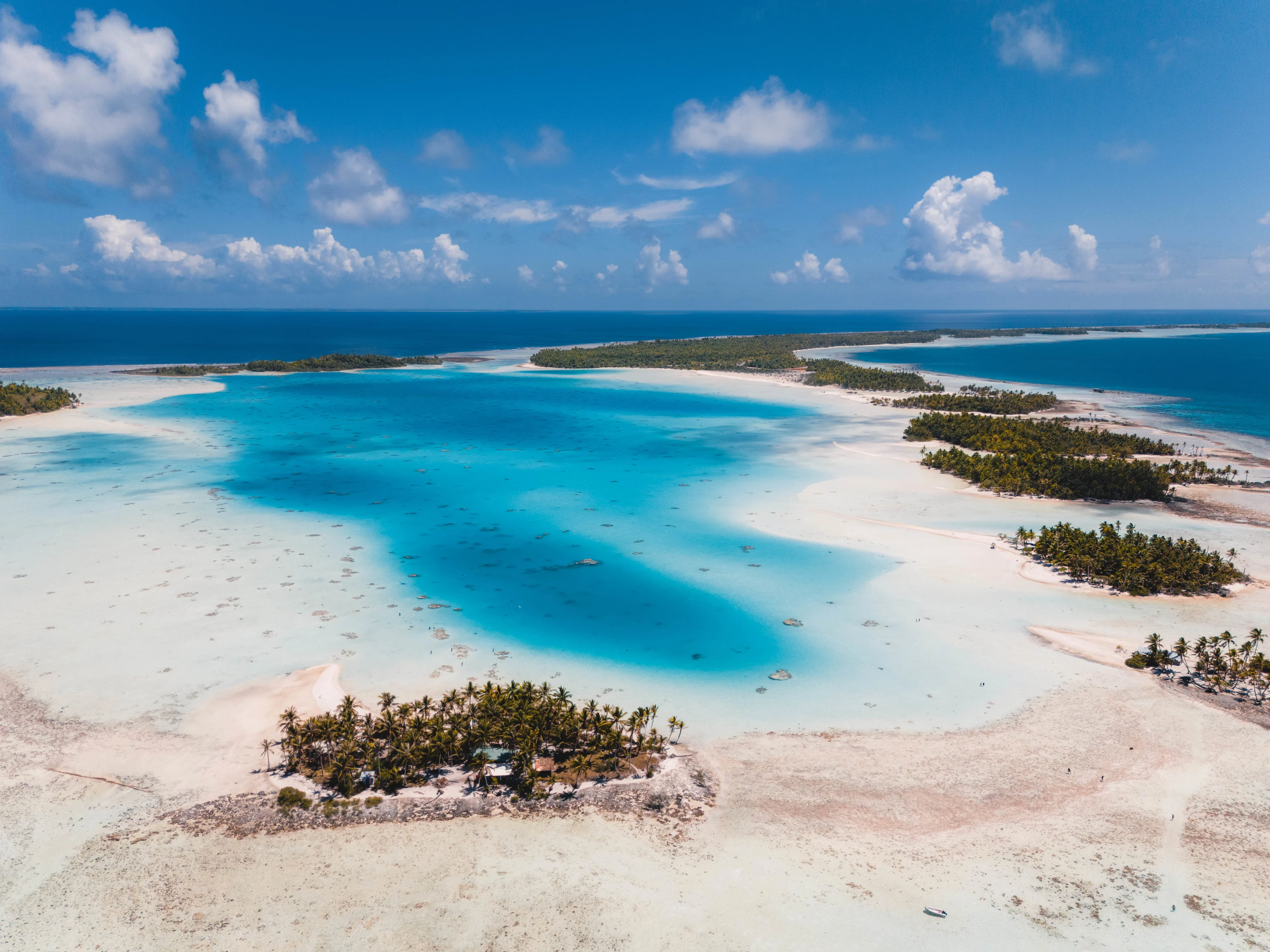
The Blue Lagoon sits at the far end of Rangiroa Atoll, reachable only by boat across open water. There's no entrance fee once you arrive, but the excursion itself is where your budget begins. Most visitors book a full-day tour that bundles transport, snorkeling stops, and lunch on a motu—costs vary by operator and group size.
Quick answer
The Blue Lagoon has no entrance fee (0 XPF), but access requires a paid boat excursion. Full-day tours from Avatoru or Tiputa typically cost 10,000–18,000 XPF per person, depending on group size, inclusions, and operator. Most packages include round-trip boat transport, snorkeling equipment, a guided stop at the lagoon, and lunch on a nearby motu. Private charters run higher, often 60,000–90,000 XPF for small groups.
Rangiroa's Blue Lagoon is not a resort or a ticketed attraction—it is a shallow, luminous basin of water surrounded by coral and sand, accessible only by crossing the atoll's interior lagoon. That geography shapes how much does it cost to go to the blue lagoon: the excursion fee, not an admission price, is your primary expense. Most operators run full-day tours departing between 08:30 and 09:00 from the main villages of Avatoru or Tiputa. A standard group tour—typically six to twelve passengers aboard an outboard motorboat—costs 12,000 to 15,000 XPF per adult. That rate usually covers snorkeling gear, a stop at Reef Island (Île aux Récifs) for drift snorkeling, two to three hours at the Blue Lagoon itself, and a grilled-fish lunch served on a motu under pandanus shade. Drinks, underwater cameras, and wetsuits are often extra. Private charters, booked through pension owners or independent guides, start around 60,000 XPF for up to four people and climb depending on itinerary customization and boat size. The cost structure reflects fuel, distance, and the atoll's isolation. Rangiroa sits 350 kilometers northeast of Tahiti, and gasoline is shipped in by cargo boat every few weeks. Most excursion providers are also pearl farmers or pension operators running tours as a secondary income stream, so pricing remains relatively stable across the handful of licensed operators. Tour inclusions vary: some trips add a visit to the Pink Sands beach or a lagoon barbecue with poisson cru; others keep the itinerary lean and finish by early afternoon. Budgeting for a blue lagoon tour means accounting for more than the boat fare. If you are staying on the atoll's western side, factor in bicycle or scooter rental to reach the departure dock—around 1,500 XPF per day. Visitors based at pensions often receive a bundled rate when booking through their host. Solo travelers may find it harder to join a scheduled group tour and might face a surcharge or need to wait until a minimum group size is met. Confirming inclusions at booking—particularly lunch, drinking water, and snorkeling gear—prevents surprise costs on the day of the trip. The Blue Lagoon's shallow depth and vivid color make it a signature stop on any Rangiroa itinerary, but understanding the true cost to visit means recognizing that the experience is inseparable from the boat journey that delivers you there.
“Rangiroa's Blue Lagoon is not a ticketed attraction—it is a shallow basin reachable only by crossing the atoll's interior lagoon, and the excursion fee is your primary expense.”
The Blue Lagoon (Le Lagon Bleu) in Rangiroa Atoll, French Polynesia, does not charge an entrance fee for visitors. Access is entirely free, as the location is a natural site.
Verdict: While admission to the lagoon itself is 0 XPF, the total cost depends entirely on the price of the boat excursion required to reach the site.
The Blue Lagoon (Le Lagon Bleu) is located on the southwestern edge of the Rangiroa Atoll. Access is exclusively possible via boat from the main villages of Tiputa or Avatoru.
Departure from Avatoru docks
Departure from Tiputa docks
Visitors should arrange transport through local tour operators based in Avatoru or Tiputa. Booking these excursions in advance ensures reliable transit to the site within the recommended daily arrival window.
The Blue Lagoon on Rangiroa Atoll maintains consistent daily operating hours throughout the week to accommodate visitors. Planning your trip within these established times ensures you can enjoy the lagoon during daylight.
The optimal time to visit the Blue Lagoon is between 08:30 and 16:00 to ensure full daylight for snorkeling and lagoon activities. Planning your visit within this arrival window allows you to align with the typical boat excursion schedules that facilitate access to the site.
Dry, 24°C to 28°C. Lower humidity levels make for comfortable outdoor conditions.
Humid, 26°C to 30°C. Frequent brief rain showers occur but rarely disrupt long-term plans.
—;Visitors often find shorter lines and more space on boat excursions by choosing mid-week departures over weekends.
Verdict: The best time for a visit is during the dry season from May to October, targeting a mid-week arrival between 08:30 and 16:00.
Pack smart to make the most of your day on Rangiroa's remote lagoon.
Everything you need to know about how much does it cost to go to the blue lagoon
The entrance fee to the site is 0 XPF, meaning there is no cost to access the destination itself. However, you must budget for a boat excursion to reach the location, as visitors cannot travel there independently. Understanding how much does it cost to go to the Blue Lagoon depends entirely on the private boat operator you select for transportation.
The Blue Lagoon is a natural site managed by the community, and there is no entrance fee required to set foot on the beach. While the entry fee is 0 XPF, the logistics of reaching this remote Rangiroa landmark require hiring a local boat service. When researching how much does it cost to go to the Blue Lagoon, remember that your budget is allocated to transit, not site admission.
Access to this Rangiroa atoll gem is exclusively via boat tours departing from the main village areas. You cannot drive or walk to the site, so you must arrange passage through local boat captains. If you are wondering how much does it cost to go to the Blue Lagoon, check with authorized local providers who include snorkeling gear and lunch in their excursion packages.
Day tours typically operate within the 08:30–16:00 window to ensure guests have enough daylight for snorkeling and enjoying a lagoon-side lunch. Arriving within this timeframe is standard practice for all boat excursions. Most operators suggest booking in advance to secure your spot within this optimal arrival window.
Yes, children are welcome on most boat trips, though prices for minors are determined by individual excursion operators rather than a fixed entry fee. Since the entrance fee is 0 XPF, you only need to confirm the boat fare for your family members. Always clarify child pricing with your chosen captain when determining how much does it cost to go to the Blue Lagoon with young travelers.
It is not possible to visit the Blue Lagoon without a boat, and there are no public ferries or standard water taxis. The site is accessible only by paid boat excursion due to its location in the remote corners of the Rangiroa atoll. Visitors must book a guided trip to navigate the coral reefs and shallow waters safely.