8 hr
Rangiroa Blue Lagoon & Avatoru Pass Full-Day Eco-Tour
Spend a full day exploring inner lagoons, snorkeling with reef sharks, and enjoying Tuamotu culture on a private island
Reserve
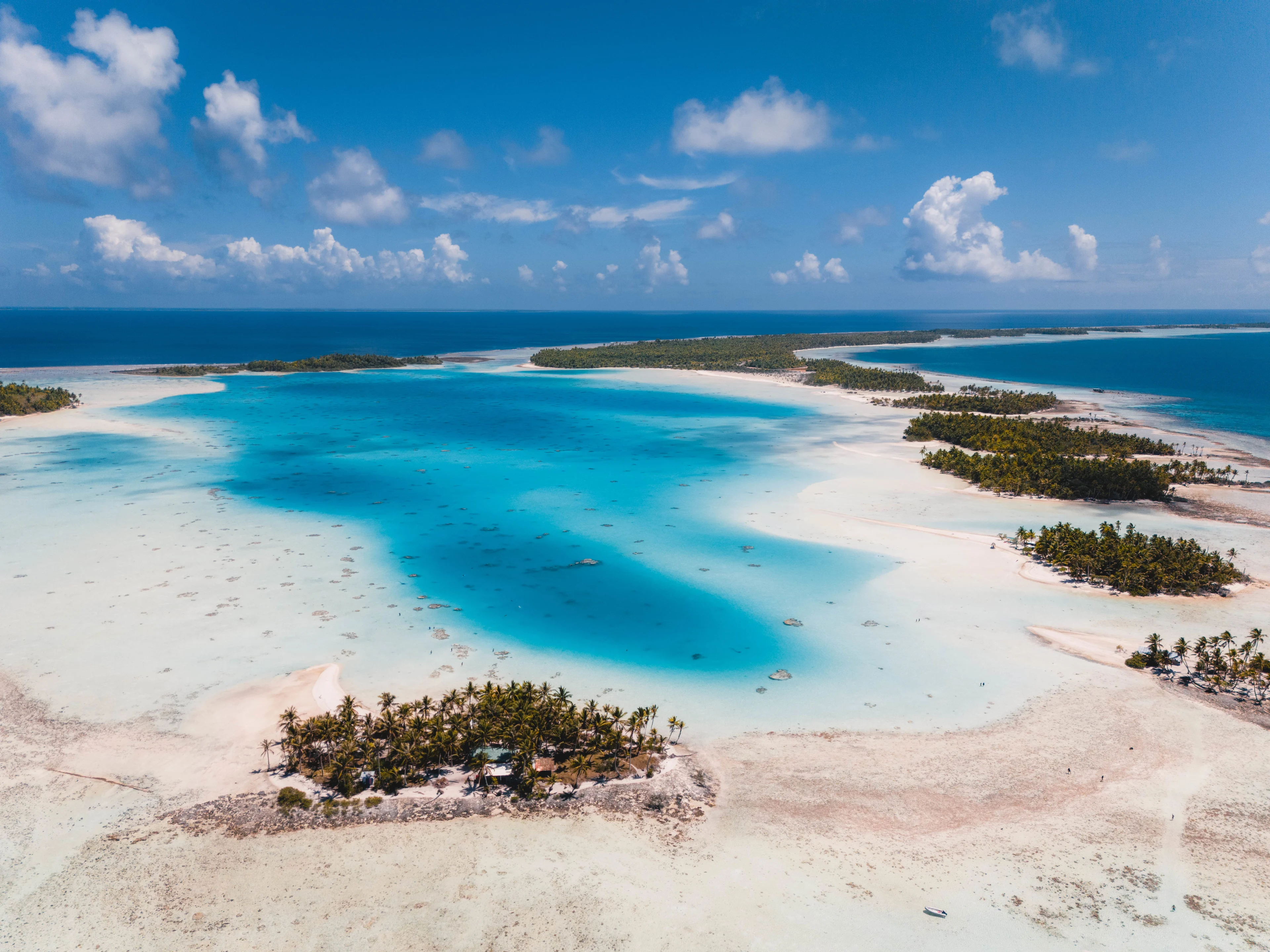
A coral sanctuary in the Tuamotu Archipelago, where the Pacific meets turquoise shallows
Hand-picked by our editors — only the best 5 lagoon excursions from 12 reviewed.
Verified partners for Rangiroa Blue Lagoon tours, free cancellation where available, and instant confirmation on every booking.
8 hr
Spend a full day exploring inner lagoons, snorkeling with reef sharks, and enjoying Tuamotu culture on a private island
Reserve
8 hr
Swim with reef sharks, snorkel vibrant coral gardens, and feast Polynesian-style on a remote lagoon
Reserve
8 hr
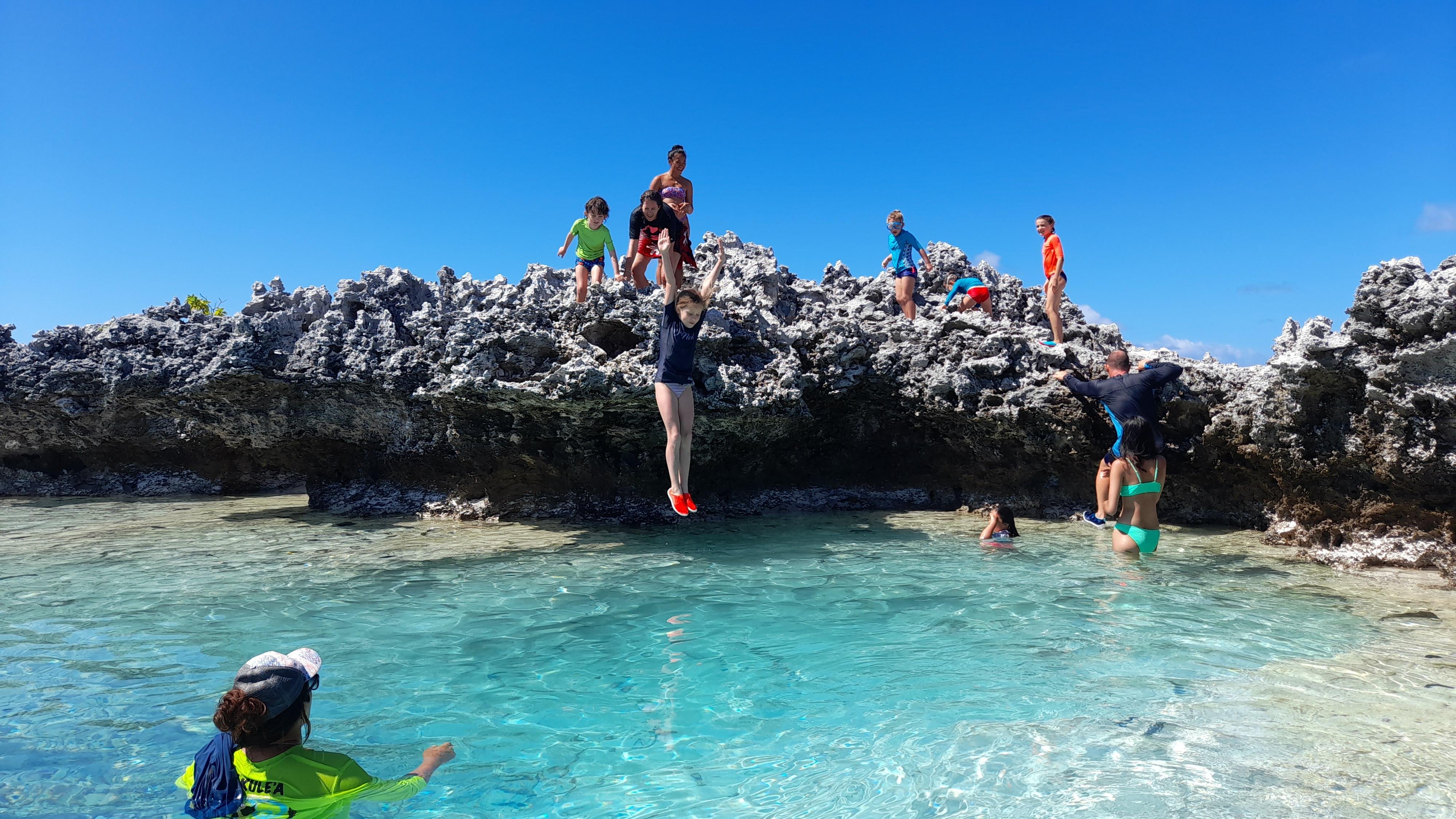
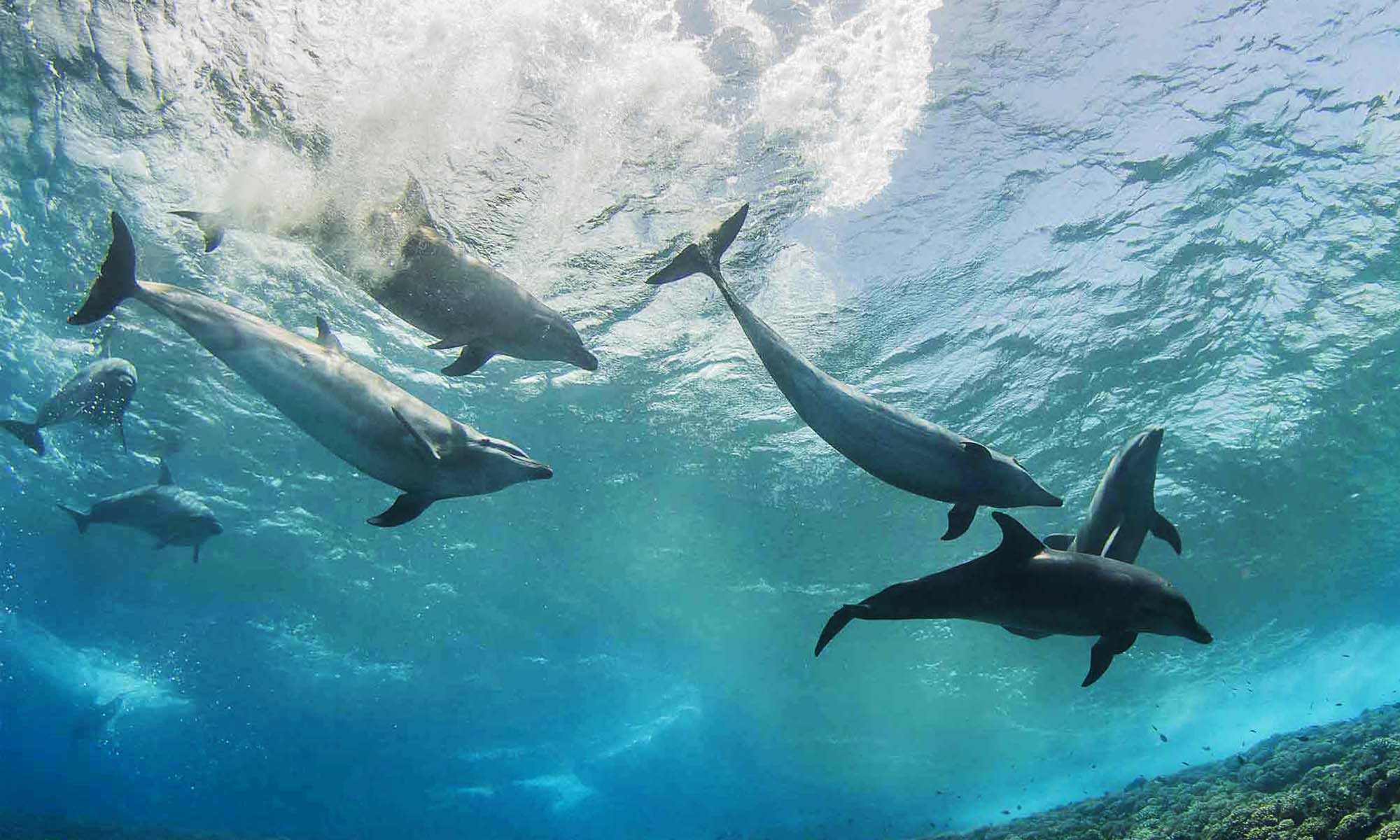
Discover fossilized coral landscapes, snorkel vibrant reefs, watch dolphins at Tiputa Pass, and savor a traditional feast on a private motu.
ReservePrices from verified partners. Availability updates in real time at checkout. Free cancellation policies apply where shown.
The landmarks, rooms, and views travelers on Rangiroa Blue Lagoon tours remember — all visible on a single visit.
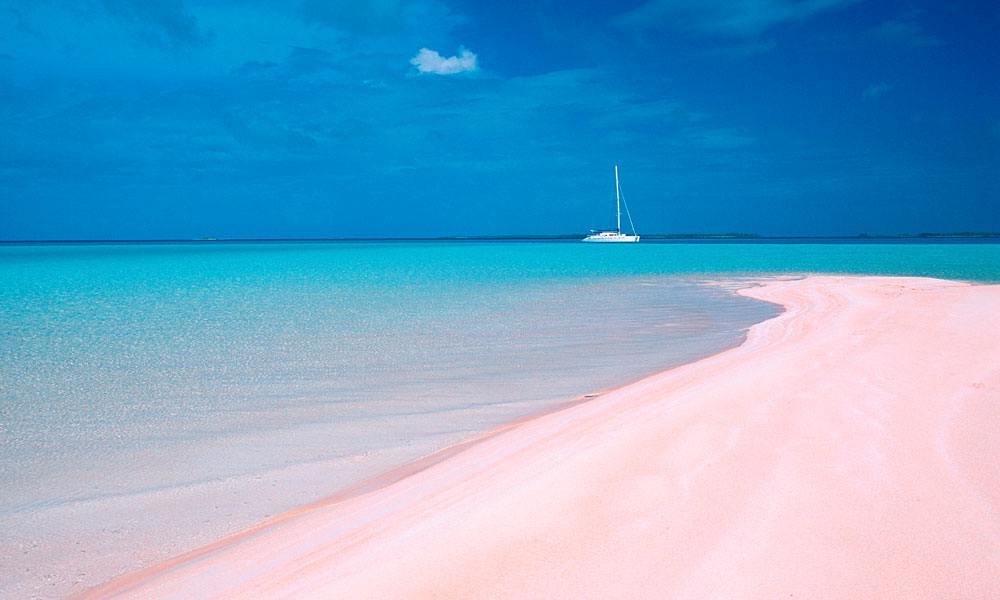
A naturally occurring formation of crushed coral that glows pink in the sunlight.
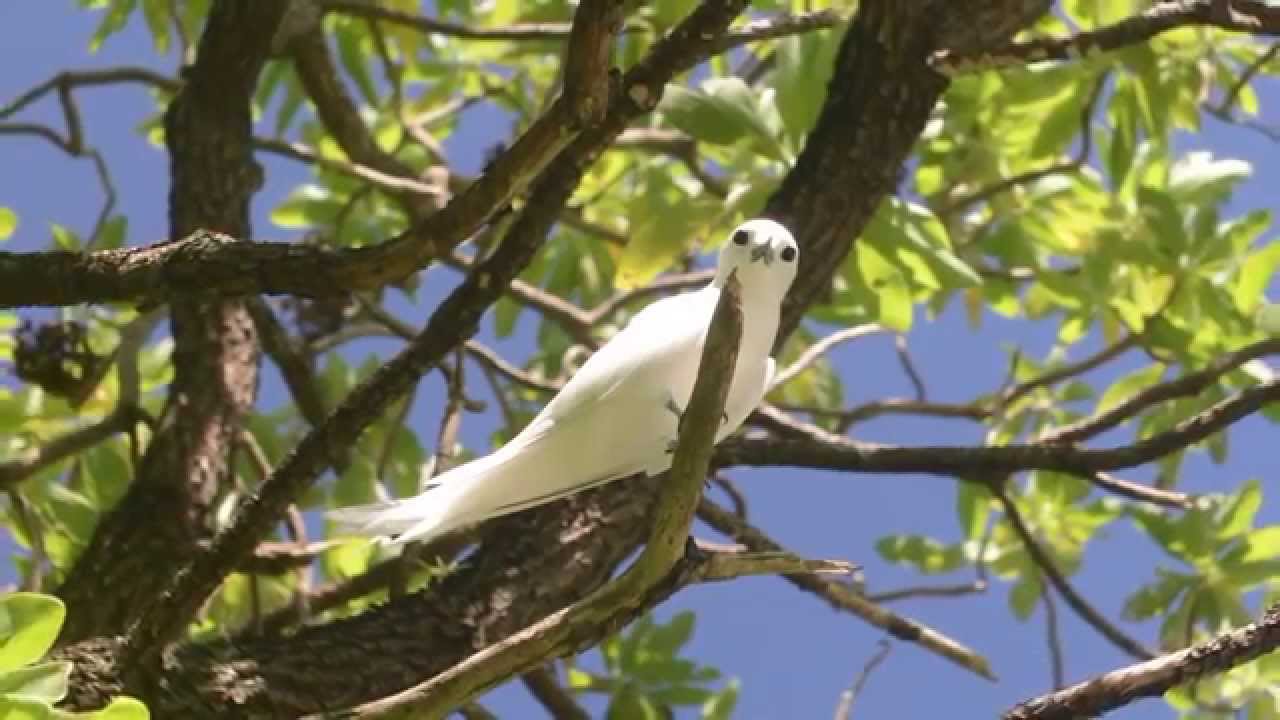
A protected nesting site for various terns and noddies in the central lagoon.
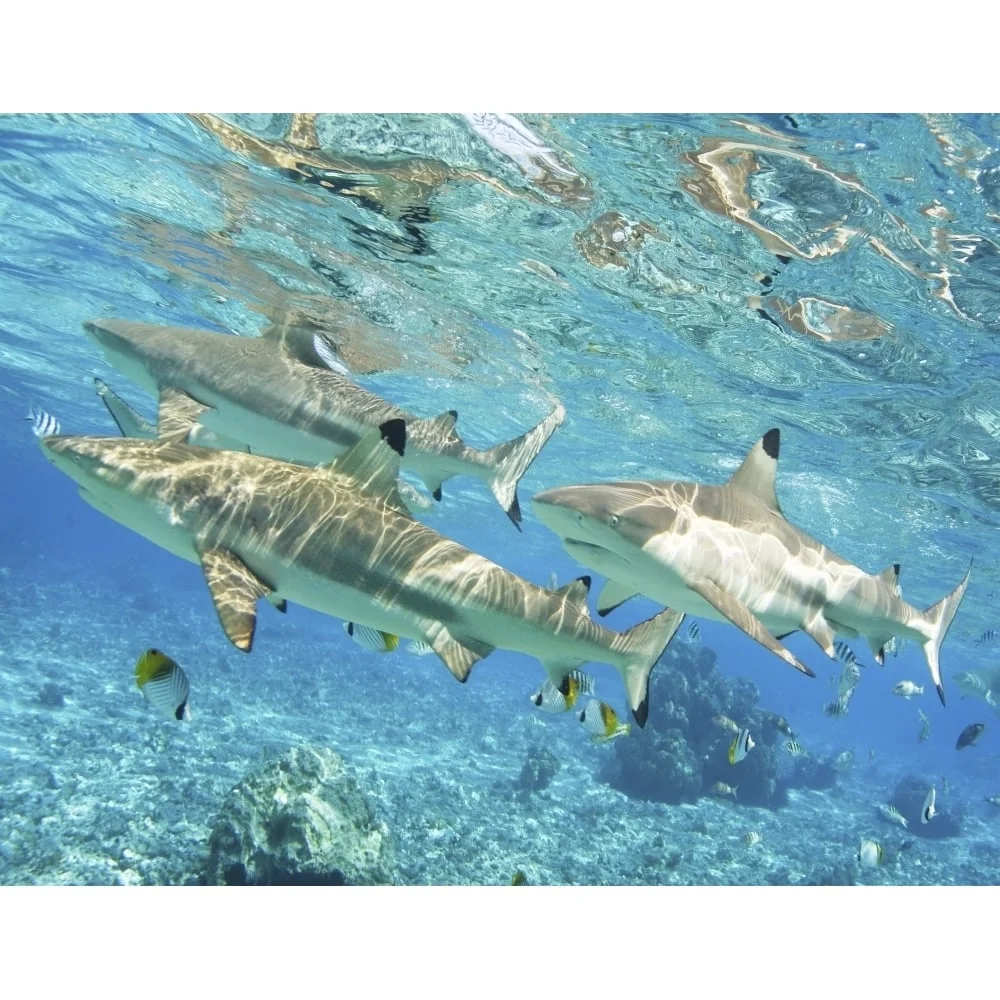
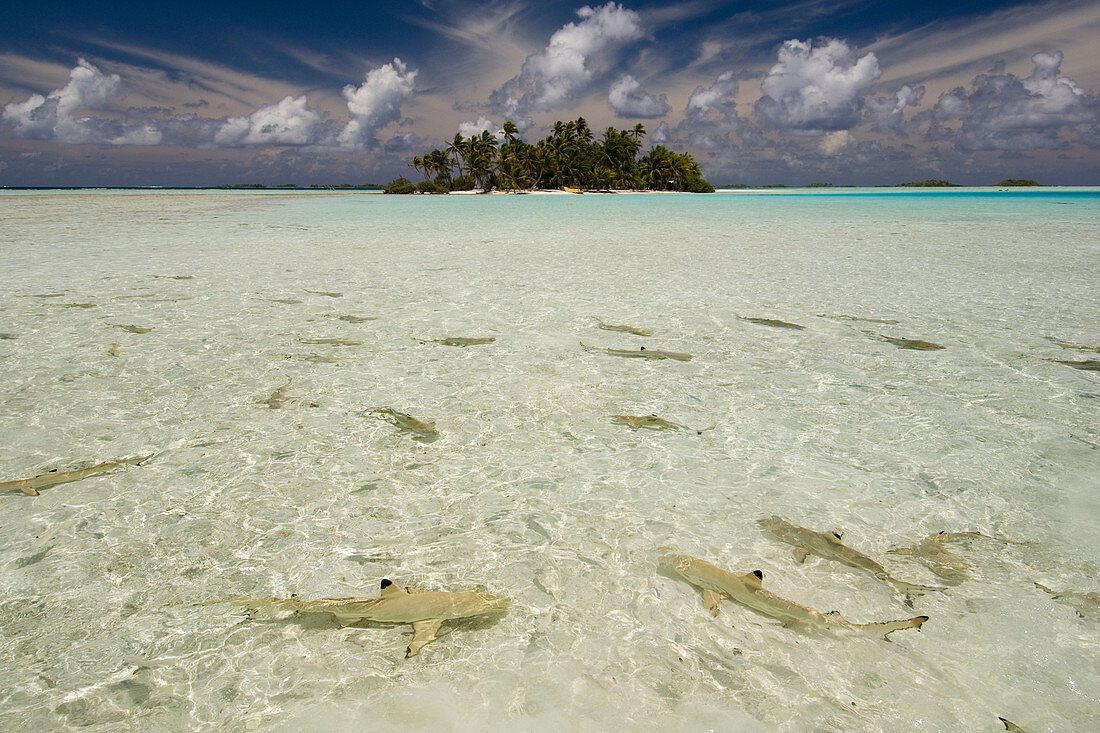
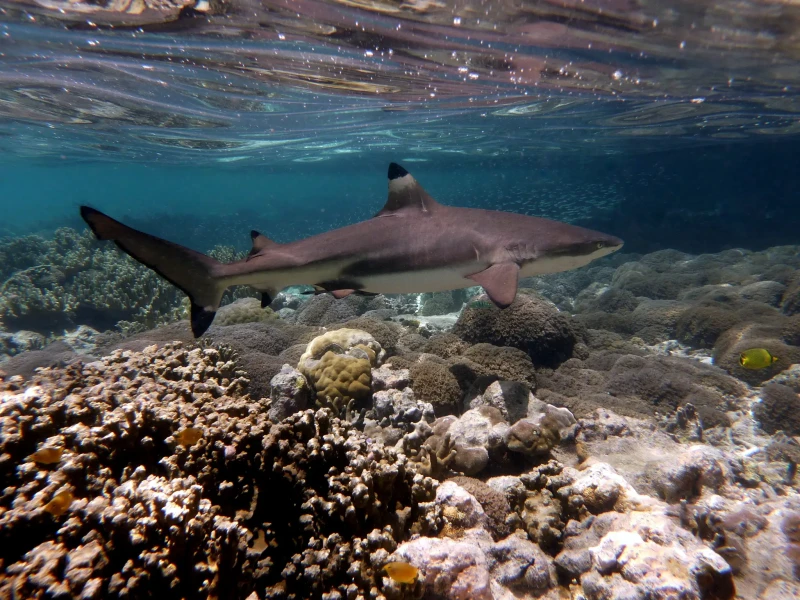
Shallow waters where juvenile blacktip reef sharks can be safely observed.
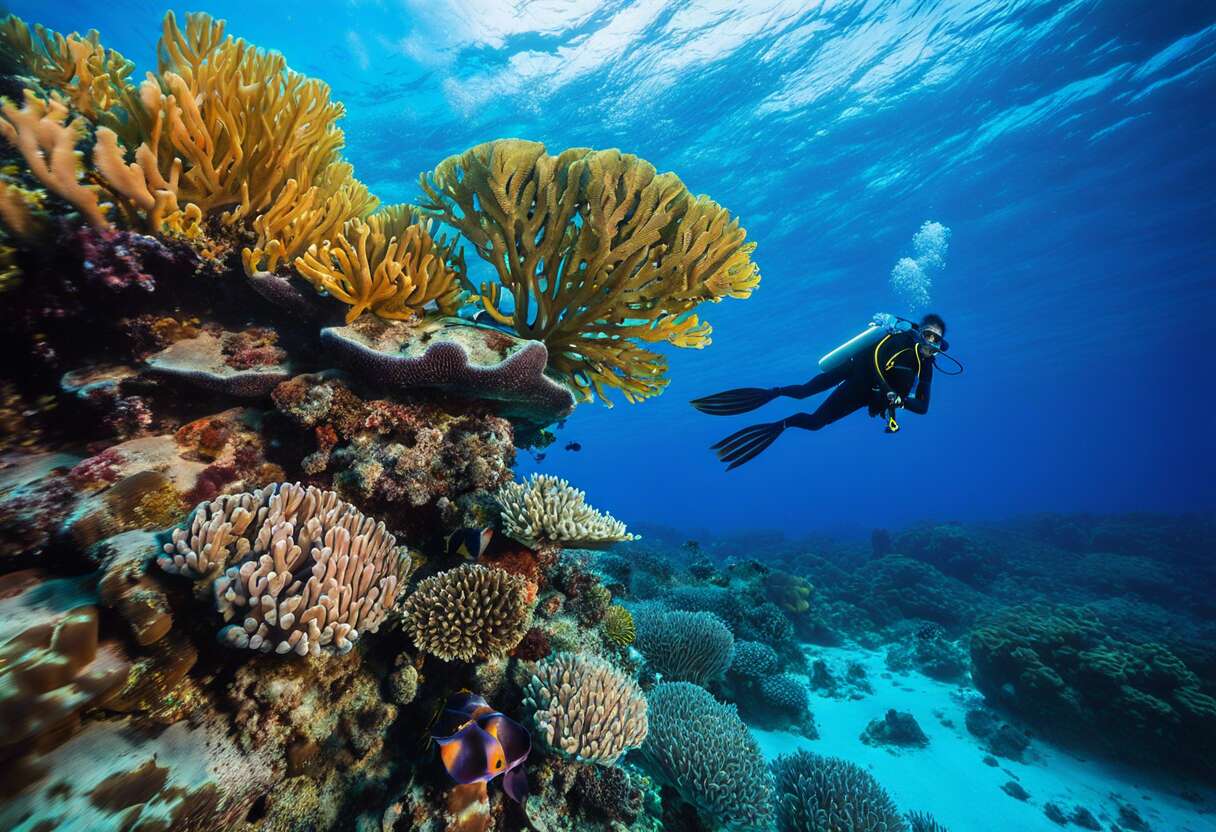
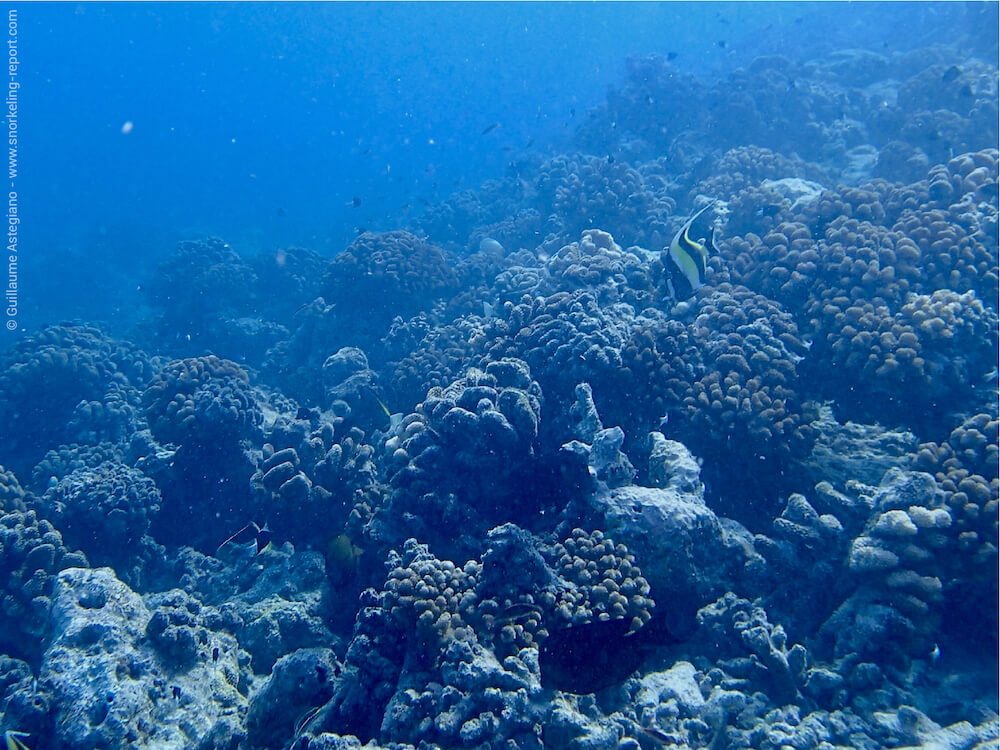
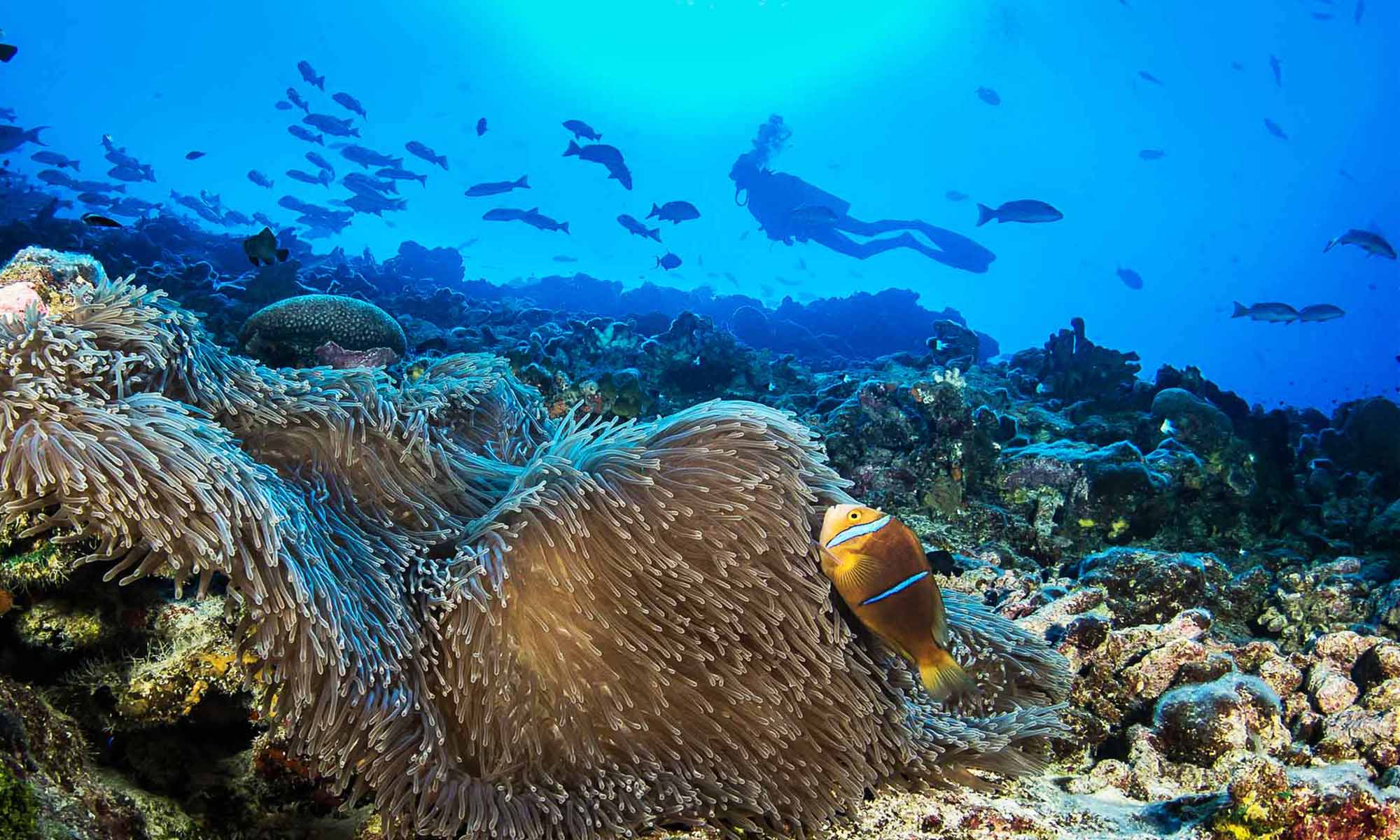
A prime snorkeling spot located outside the main pool for viewing larger reef species.
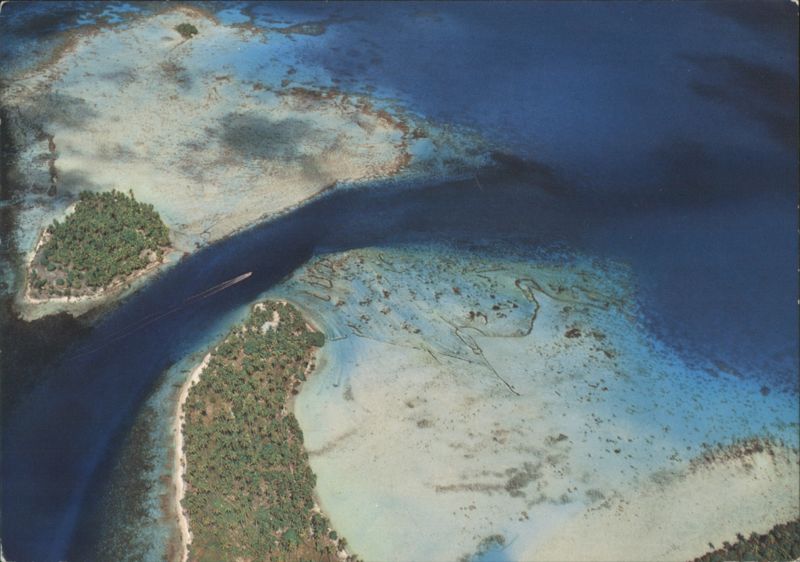
A deep channel known for high marine biodiversity and drift snorkeling opportunities.
Every Rangiroa Blue Lagoon tour side-by-side — duration, what's included, how you redeem.
| Experience | Duration | Rating | Skip-the-line | Guide | Small group | Free cancel. | Price | |
|---|---|---|---|---|---|---|---|---|
|
Guided Experience Most popular
Rangiroa Blue Lagoon & Avatoru Pass Full-Day Eco-Tour
|
8 hr | ★ 4.7 | ✓ | ✓ | ✓ | ✓ | €135 | Book → |
|
Guided Experience
Blue Lagoon & Tiputa Pass Full-Day Adventure
|
8 hr | ★ 4.5 | ✓ | ✓ | ✓ | ✓ | €150 | Book → |
|
Guided Experience
Île aux Récifs Full-Day Adventure with Dolphin Encounter
|
8 hr | ★ 4.6 | ✓ | ✓ | ✓ | ✓ | €135 | Book → |
All prices from verified partners. Availability and exact terms confirmed at checkout.
The Blue Lagoon offers tranquil shallow waters for relaxation, while the Tiputa Pass provides high-energy encounters with pelagic marine life; they complement each other, though most visitors call the pass the more thrilling. While many seek rangiroa blue lagoon tour tickets to enjoy the isolation of a natural swimming pool, those wanting a more intense oceanic engagement should consider the pass.
| Feature | Top pick Blue Lagoon | Tiputa Pass |
|---|---|---|
Primary focus |
Lagoon relaxation and sandbars | |
Marine life intensity |
Low to moderate | |
Accessibility |
Requires long boat ride | |
Physical exertion level |
Low | |
Water depth |
1 to 5 feet | |
Target audience |
Leisure seekers and families | |
| See tickets → |
Verdict: Choose the rangiroa blue lagoon tour for a full-day leisure excursion, or opt for the Tiputa Pass snorkeling tour to witness the dynamic currents and dolphin activity.
Choose your ticket, select your date, and reserve in under two minutes. Secure checkout handled by our verified partner.
Instant confirmation by email, with a mobile voucher you can save offline. No printing, no queuing at a collection desk.
Arrive at the entrance, show your voucher on your phone, and walk in. Most tickets include priority or skip-the-line access.
Practical details for Rangiroa Blue Lagoon tickets straight from our verified partners — hours, access, rules, and how to get there.
Avatoru, Rangiroa
Primary departure point for most boat tours
Open in Google MapsExcursions depart from Avatoru Marina for the ~1-hour lagoon transit.
Casual beachwear is standard. Wear a swimsuit and bring a cover-up for protection from the sun.
Dry bags are strongly recommended to protect personal belongings from sea spray during the boat transit. Secure your camera equipment in waterproof gear.
The location is highly photogenic; keep devices protected from salt water. Passive observation of marine life is encouraged.
Visitors must be able to move independently and board or disembark boats via ladders. The terrain at the lagoon involves walking on sand and shallow coral beds.
Mobile service is limited in remote parts of the atoll. Use phones primarily for photography while maintaining a secure grip.
The rangiroa blue lagoon tour is suitable for all ages provided guests can manage boat boarding. Children should be supervised near shallow reef edges.
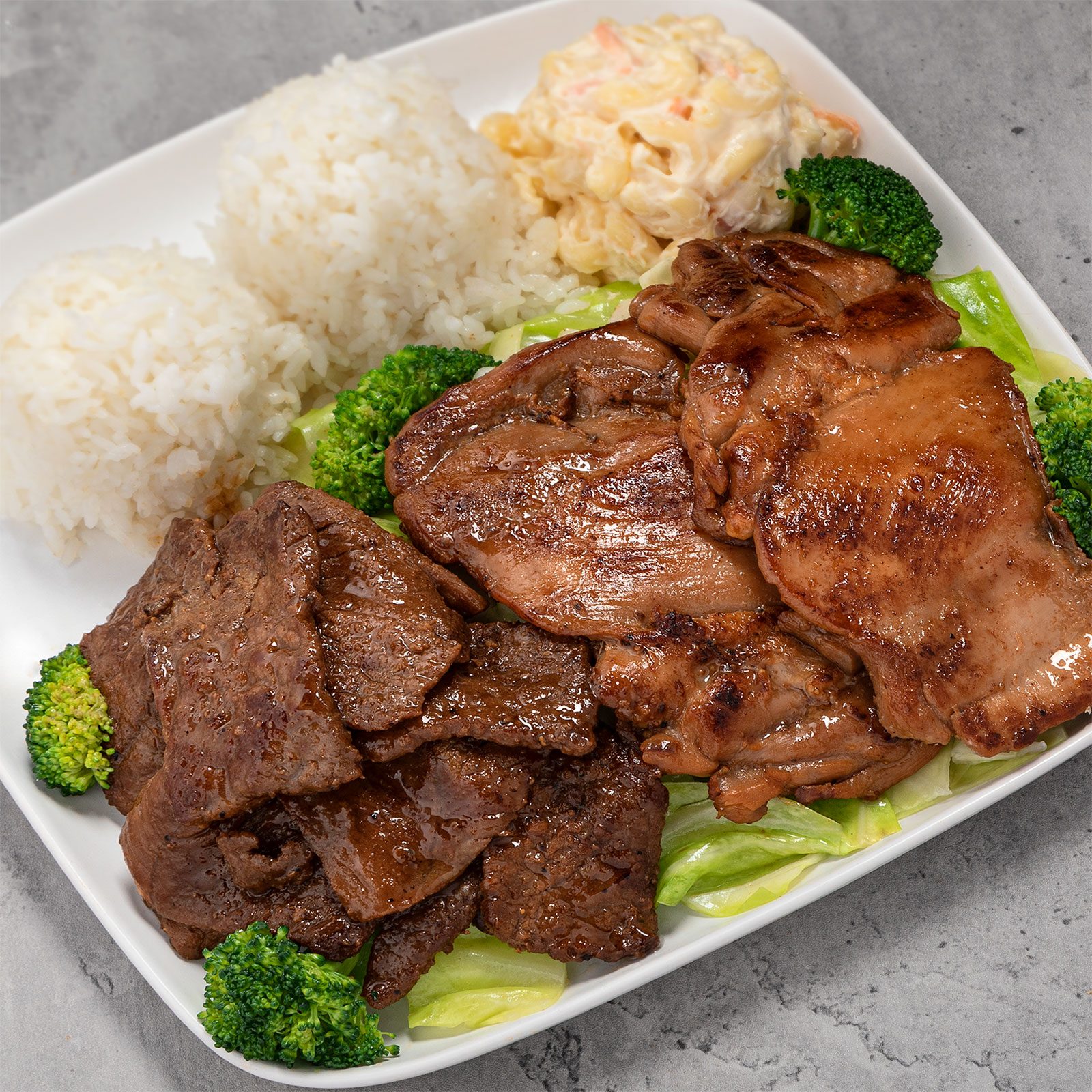
Most tour packages include a traditional Polynesian barbecue lunch and beverages. Guests are advised to bring extra water for hydration.
Pets are generally not permitted on shared boat excursions to the motu. Verify arrangements with private charters.
Snorkeling gear is typically provided by the operator. Swimming skills are recommended for water-based activities.
Best time to go, insider tips, nearby landmarks, and the cancellation fine print — flip through to skim what matters to you.
How crowds, weather, and events shift across the year.
December–March is warmer with higher humidity and occasional rain showers.
June–August offers drier, cooler weather ideal for boat travel and snorkeling visibility.
Small details that turn a good visit into a great one.
The tropical sun is intense; wear a hat and high-SPF sun shirt during the rangiroa blue lagoon tour. Reapply sunscreen frequently.
Listen closely to your guide regarding currents at the Tiputa or Avatoru passes. Stay within designated swimming zones for the rangiroa blue lagoon tour.
Not all rangiroa blue lagoon tour operators visit the same motu. Research their specific lunch locations and inclusions when booking your rangiroa blue lagoon tour tickets.
If you are sensitive to boat motion, the trip to the rangiroa blue lagoon tour can be bumpy. Choose a calm-weather day if possible.
Avoid touching or feeding marine life during your rangiroa blue lagoon tour. Support operators who emphasize sustainable, low-impact practices.
Have local currency ready for optional gratuities or souvenir purchases after your rangiroa blue lagoon tour.
Non-bookable sights within a short walk — free to visit, easy to pair.
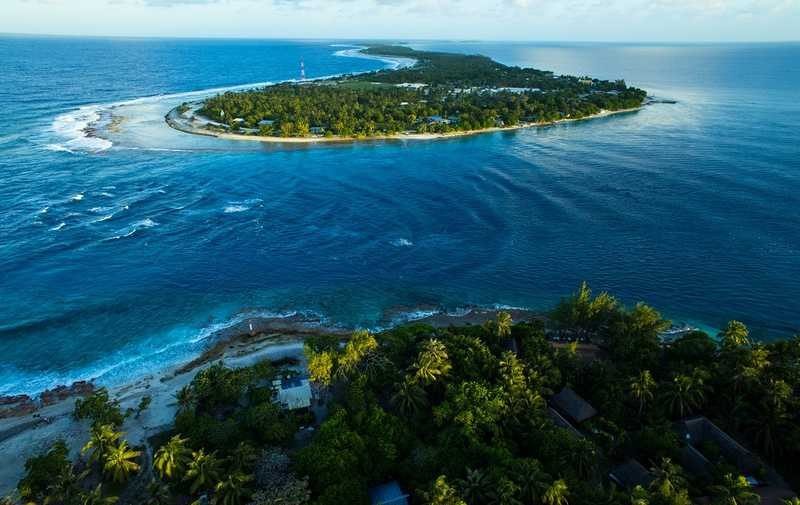
Famous site for spotting dolphins and reef sharks
Rich biodiversity site often used for snorkeling
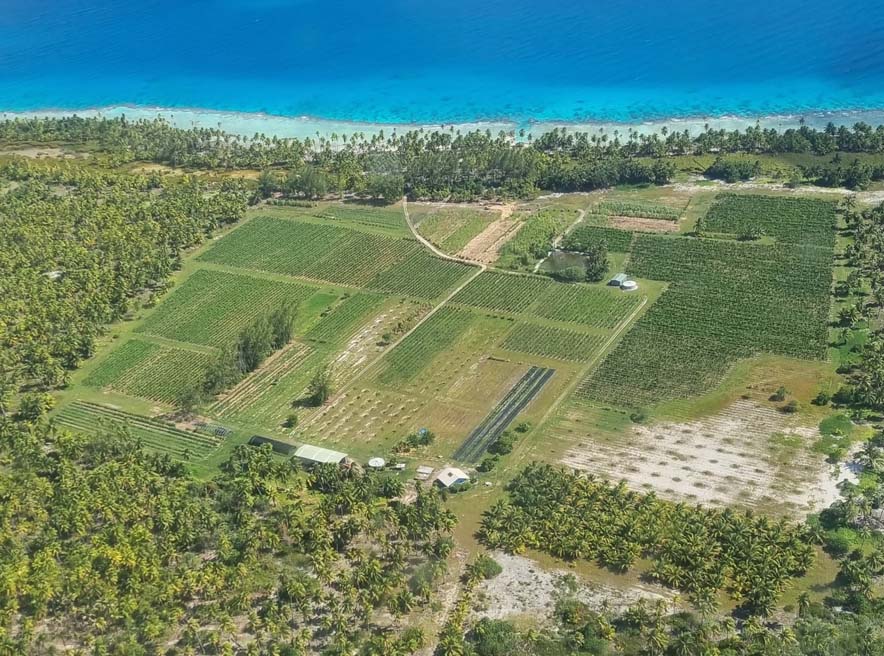
Unique atoll vineyard located on the main island
Flexible, no hidden fees.
Cancellation and refund requests must be received in writing within the provider's specific timeframe. Admission is 0 XPF, but boat excursion costs are subject to individual operator policies.
Hand-picked options within walking distance — pick a district for vibe, or a specific hotel for convenience.
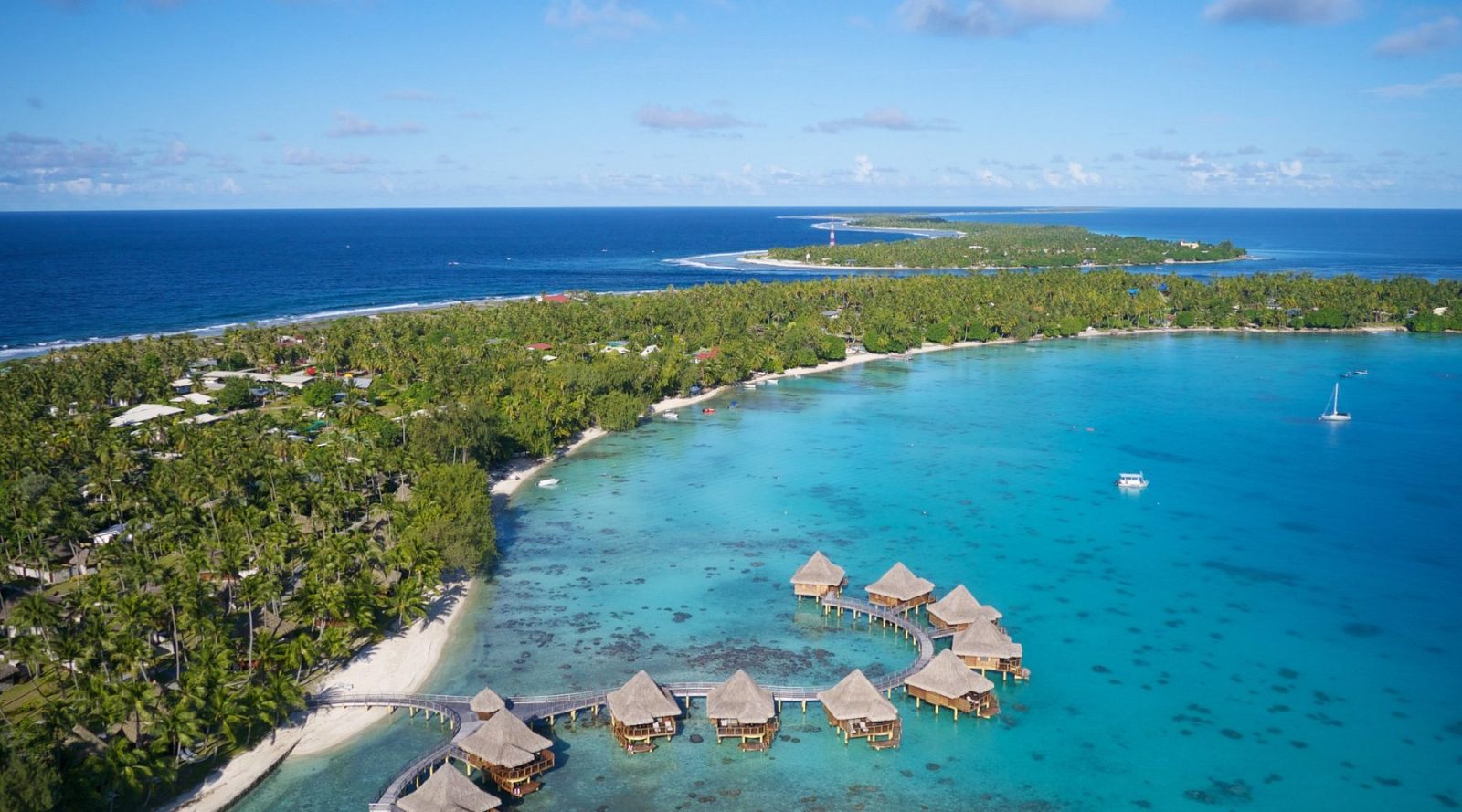
Full-service resort with overwater bungalows
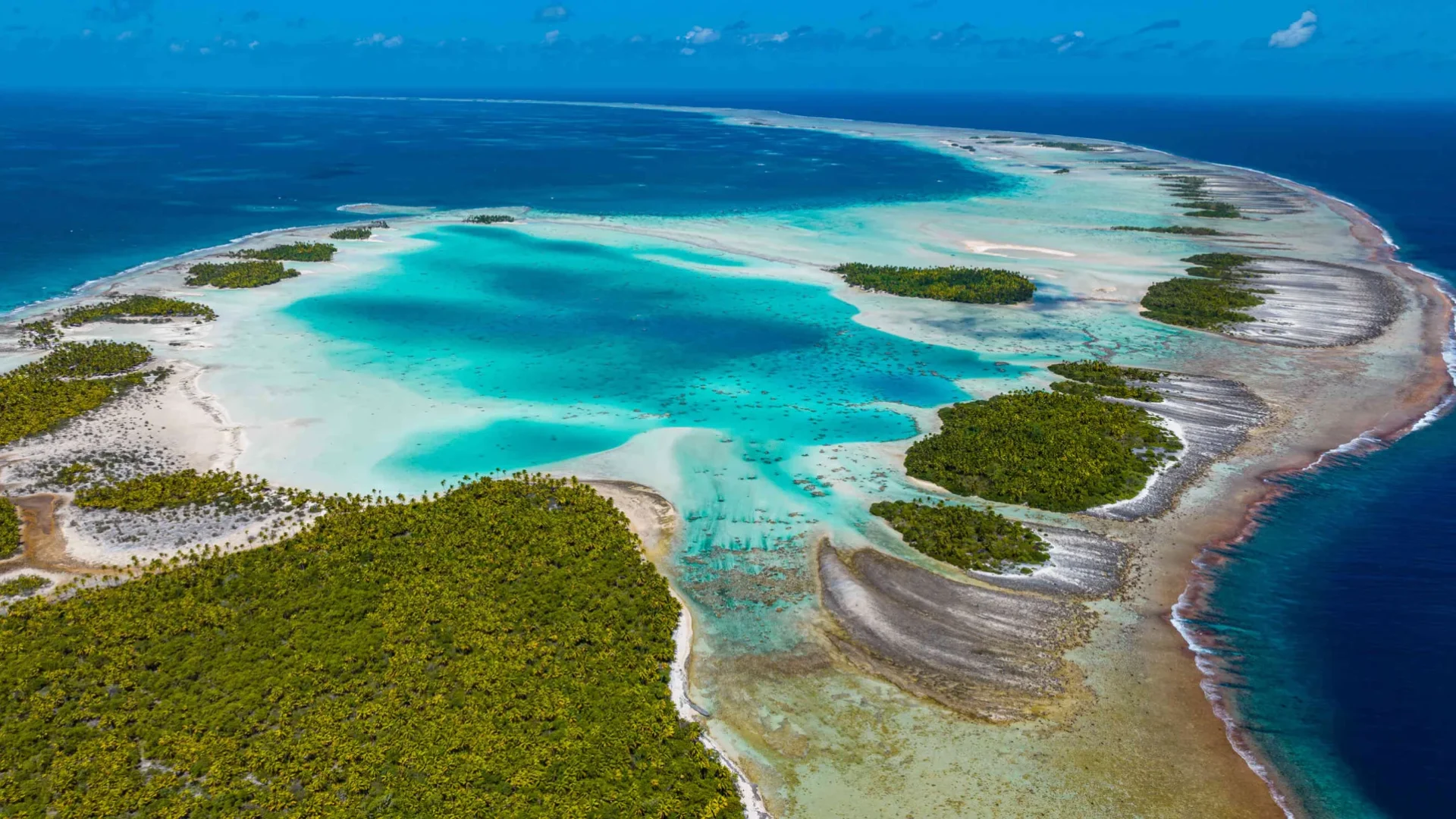
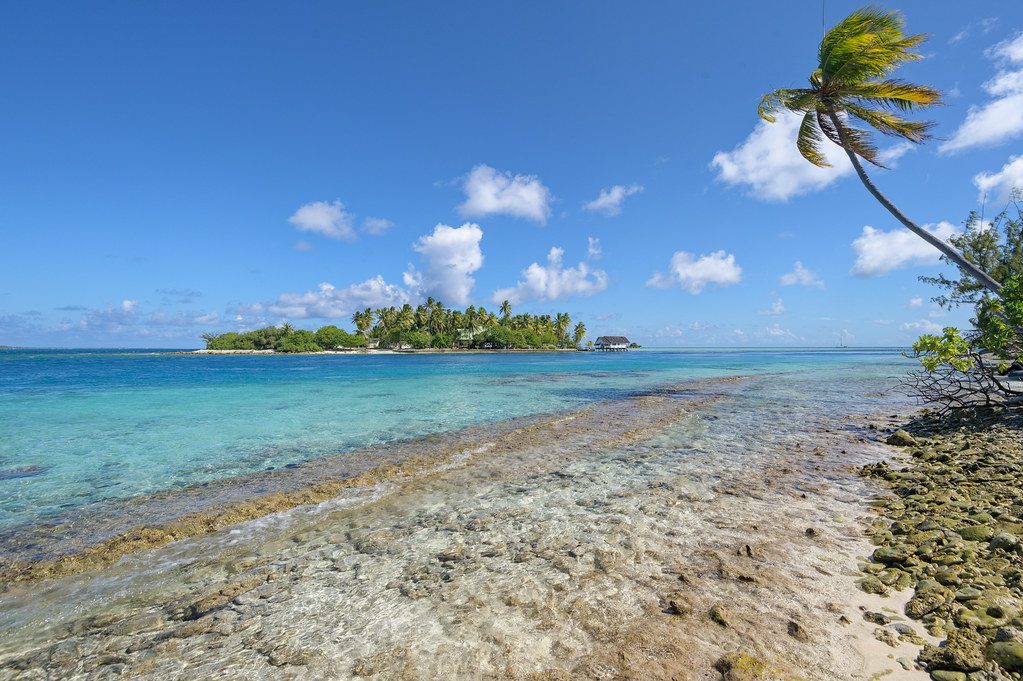
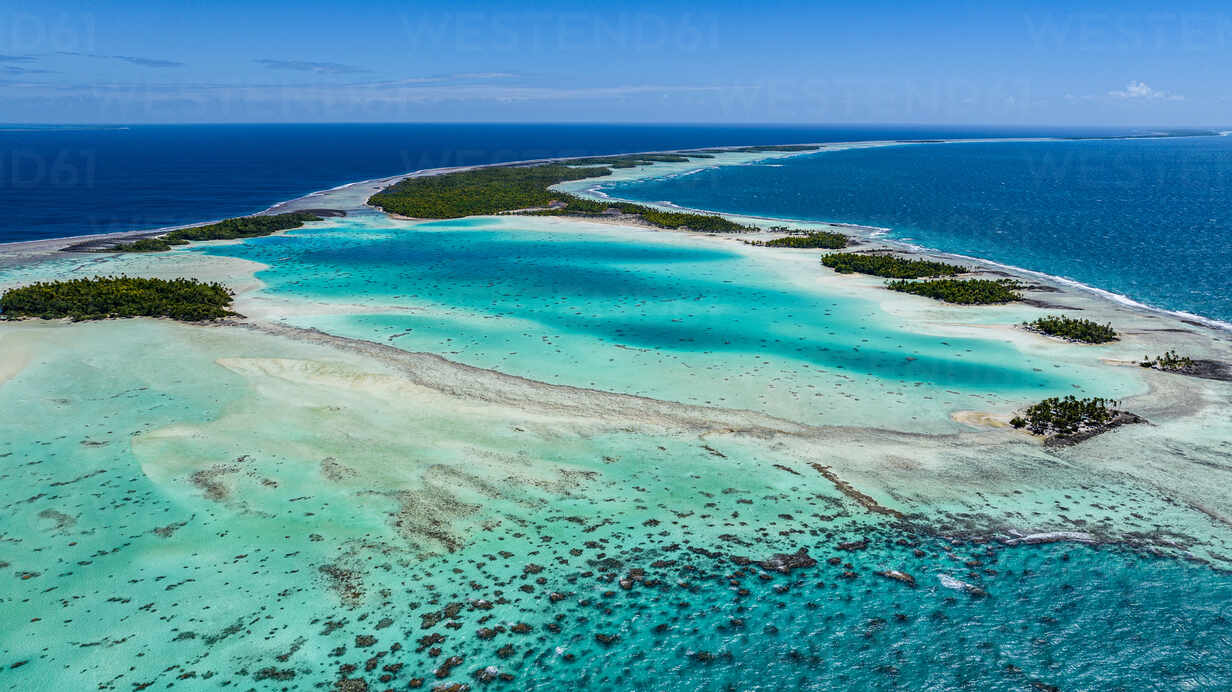
Rangiroa's Blue Lagoon sits within the world's second-largest atoll, a coral ring spanning 79 kilometers that encloses 1,446 square kilometers of open water.
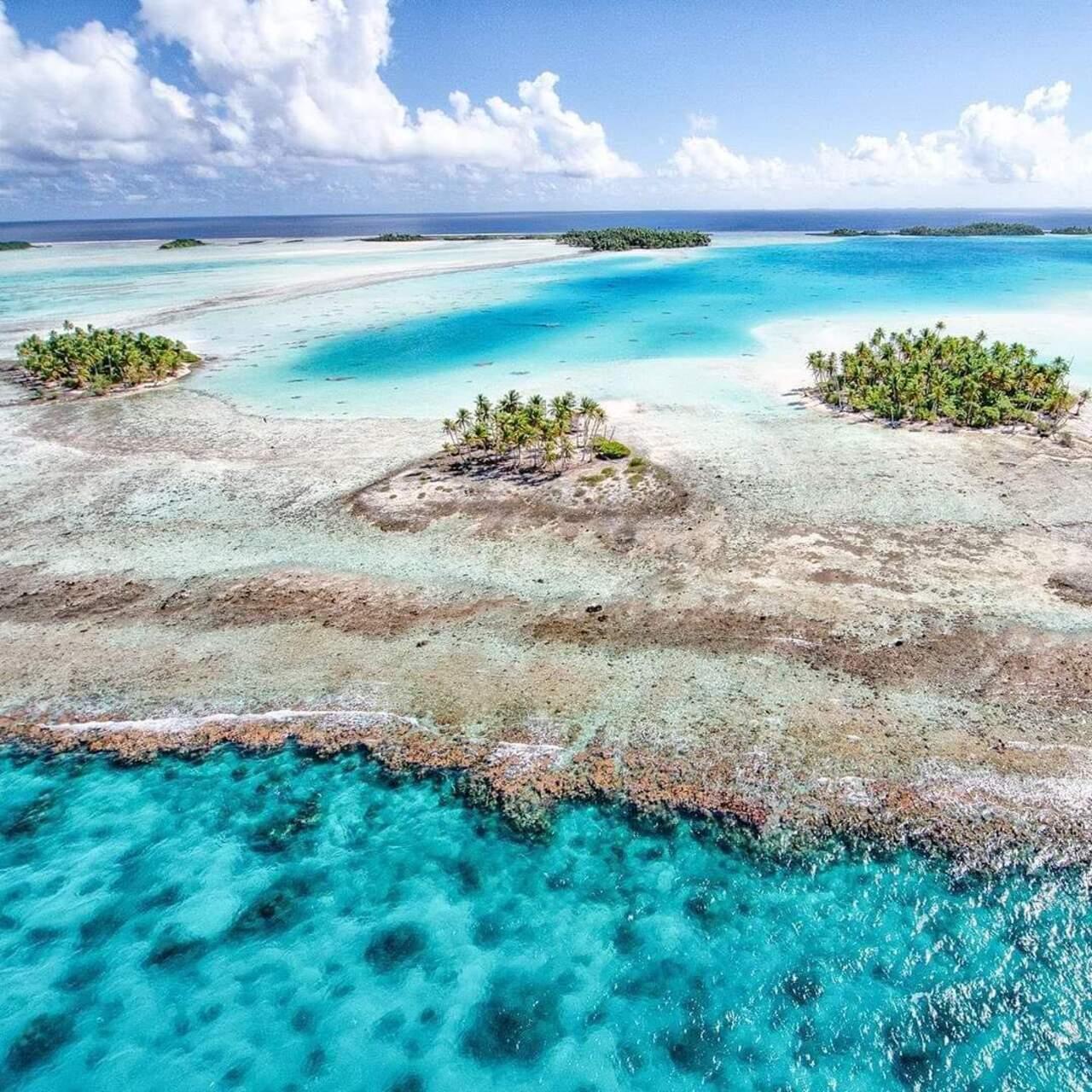
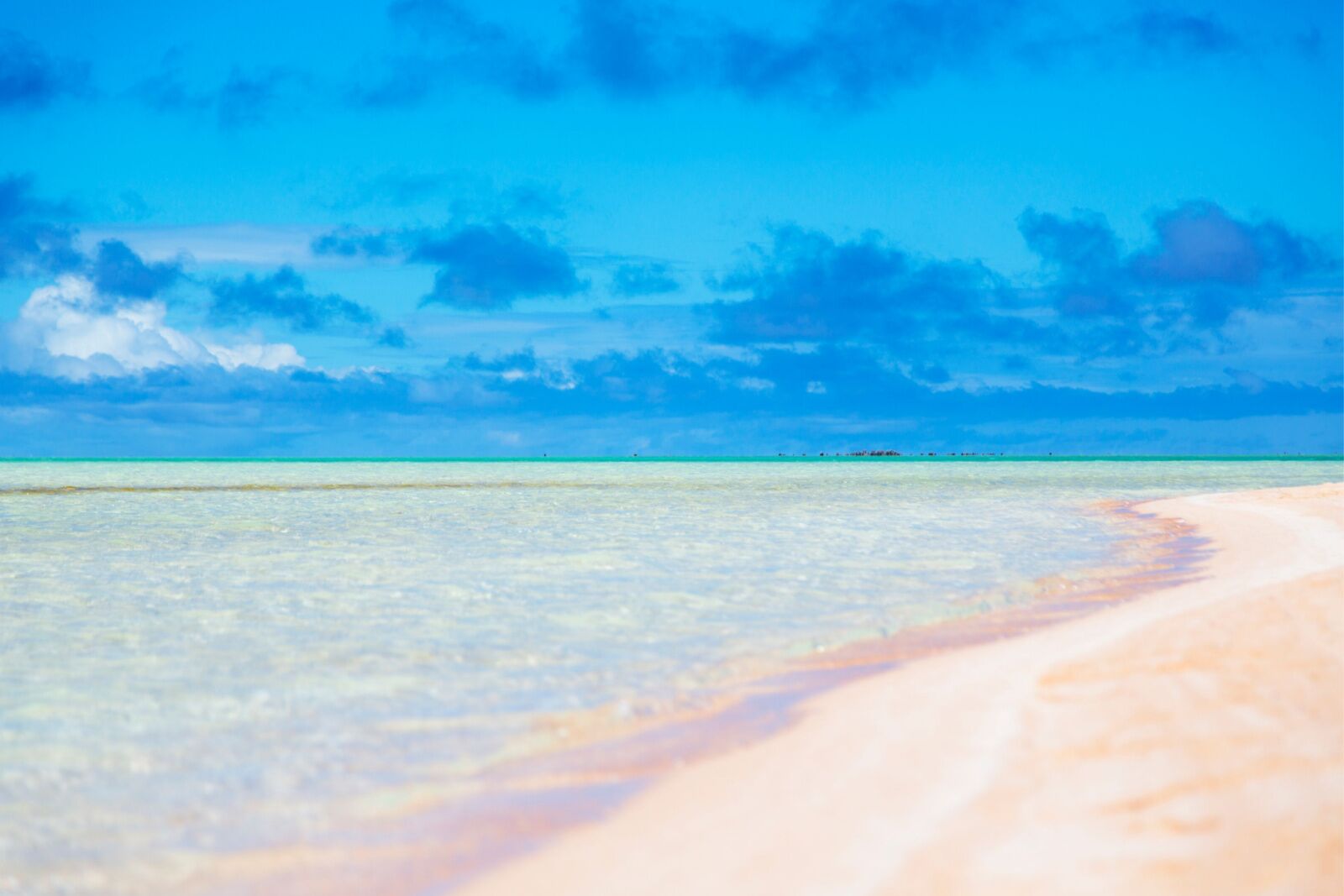
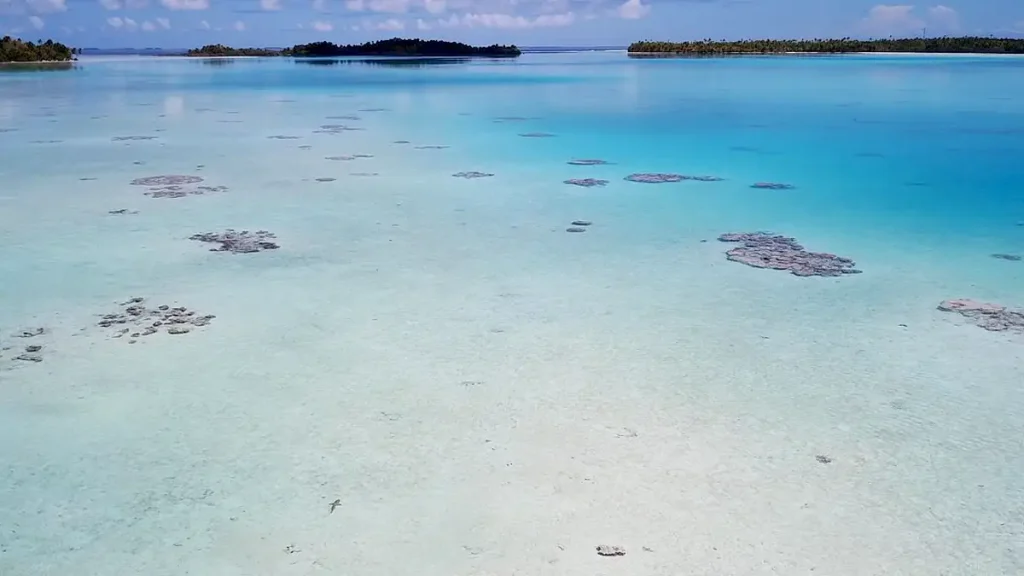
The lagoon itself occupies a shallow basin on the atoll's northwest rim, separated from the main body by a necklace of low coral motus—unnamed islets that vanish beneath the tide line twice each day. French naval charts from 1867 first labeled the basin "Lagon Bleu," distinguishing its pale aquamarine shallows from the deeper indigo of Rangiroa's central lagoon. The color gradient results from a limestone platform less than three meters deep, its white sand reflecting sunlight through water filtered by centuries of coral polyp colonies.
The Blue Lagoon gained international notice in 1977 when Jacques Cousteau's Calypso expedition documented its population of blacktip reef sharks, counted at 287 individuals within a single square kilometer. Cousteau's team filmed juvenile sharks using the lagoon's warm shallows as a nursery ground, a behavior now understood to repeat annually between November and March. The atoll's geographic isolation—over 350 kilometers from Tahiti—keeps water clarity high; visibility routinely exceeds 40 meters, and the absence of river discharge means no terrestrial sediment clouds the basin. Marine biologists have cataloged 412 fish species within Rangiroa's waters, including schools of Napoleon wrasse and occasional manta rays that drift through the Tiputa Pass to feed on plankton blooms.
Access to the Blue Lagoon requires a boat crossing from Avatoru or Tiputa villages, the atoll's only two settlements. Most rangiroa blue lagoon tour operators depart mid-morning to coincide with slack tide, when currents subside and snorkeling conditions stabilize. The journey covers roughly 12 nautical miles, threading through shallow channels marked by coral heads that breach the surface at low water. Visitors often anchor near Reef Island, a crescent-shaped motu where coconut palms shade a narrow beach composed entirely of crushed coral fragments. The lagoon floor supports branching Acropora corals, some colonies measuring four meters in diameter and estimated at 80 years old based on growth ring analysis conducted by French Polynesian marine research teams in 2019.
Tourism infrastructure remains minimal by design; no permanent structures occupy the Blue Lagoon motus, and the French Polynesian government restricts commercial development to preserve the basin's ecological balance. Day excursions operate under permits that limit group sizes to 12 passengers per vessel. Local Paumotu guides, many descended from families who have fished these waters for six generations, lead snorkeling routes that avoid sensitive coral spawning zones. The best blue lagoon tour rangiroa options typically include equipment, a picnic lunch prepared on board, and three to four hours within the lagoon itself, allowing time to drift over coral gardens where parrotfish graze and sea turtles surface for air every eight to ten minutes.

"Cousteau's team counted 287 blacktip reef sharks within a single square kilometer, using the lagoon's warm shallows as a nursery ground."
A step-by-step walkthrough of Rangiroa Blue Lagoon tickets — what you'll see, how long each stage takes, and the details that matter.
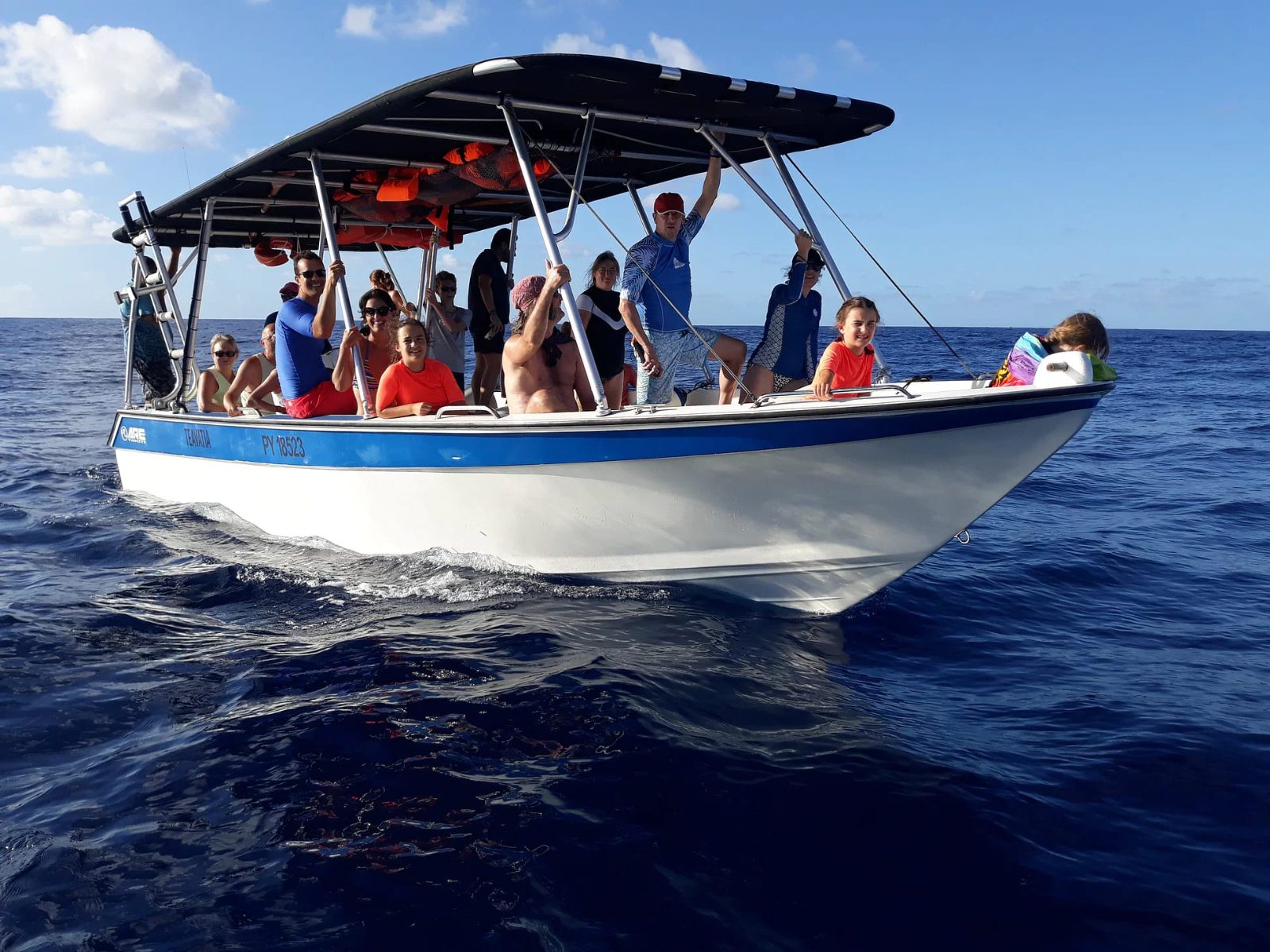
You board a fibreglass outrigger at Avatoru wharf shortly after eight in the morning, the hull stocked with snorkel gear and coolers packed with fresh mahi-mahi. Your guide throttles northwest across Rangiroa's main lagoon, the boat skipping over glassy water as the sun climbs above the eastern reef.
Forty minutes later the water shifts from deep blue to pale turquoise, signaling the Blue Lagoon's shallows ahead. You anchor off a small motu where pandanus trees lean toward the water, their roots exposed by erosion.
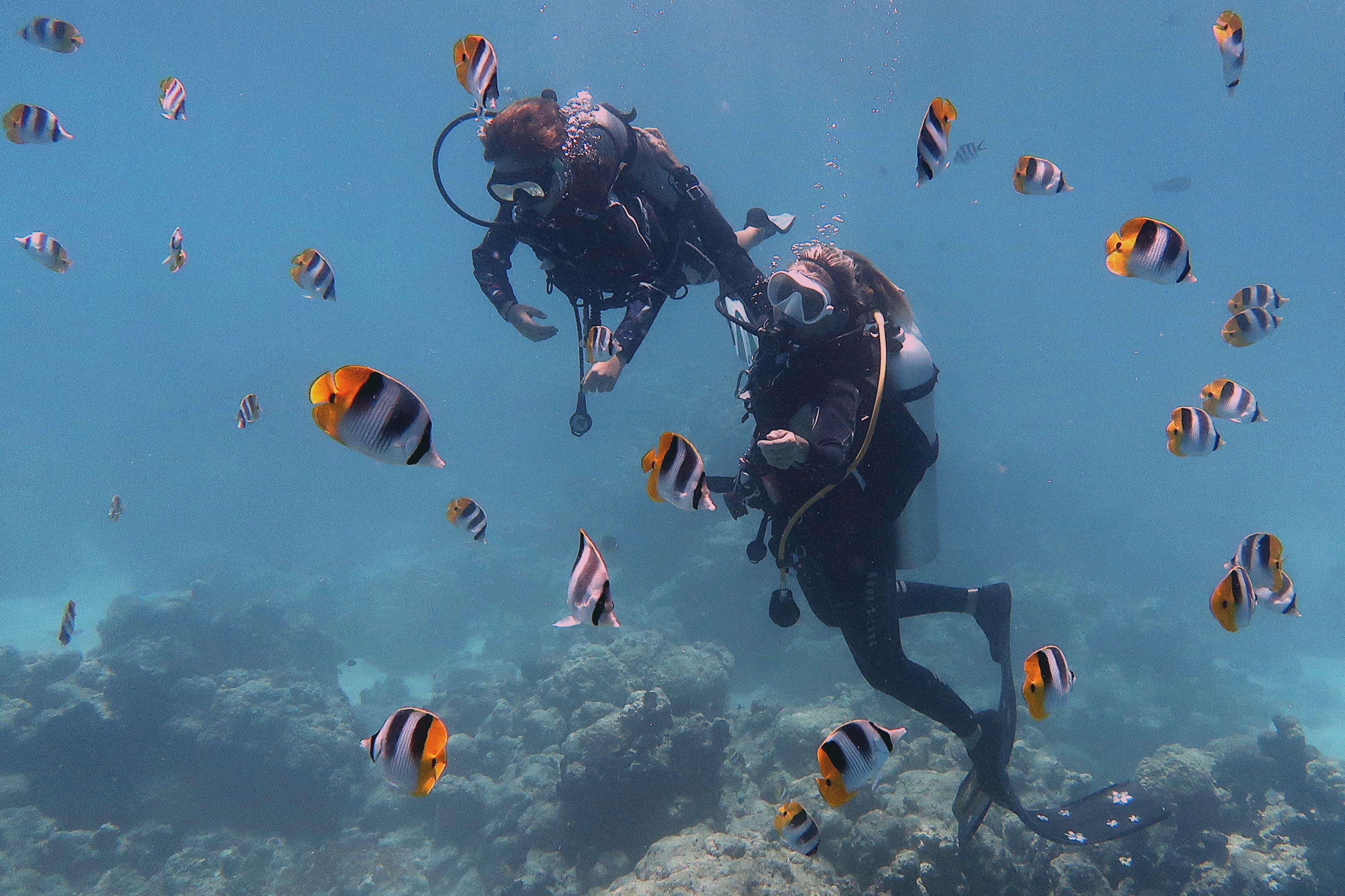
You slip into water so clear you can count individual coral polyps three meters below. A school of yellowtail surgeonfish moves past in formation, their bodies flashing silver when they turn. You fin slowly along the reef edge, pausing to watch a hawksbill turtle scrape algae from a coral head with its hooked beak. Your guide points to a cluster of blacktip sharks patrolling the shallows, their dorsal fins cutting the surface in lazy arcs. You drift over branching corals shaped like elkhorn, their tips bleached white by last summer's marine heatwave but still alive at the base.
Midday brings a picnic on the motu's narrow beach—grilled fish, coconut bread, and sliced papaya eaten in the shade of a palm grove. You wade back into the lagoon for a second snorkel session, this time over a sandy channel where eagle rays glide past, their wingspans exceeding two meters. By three in the afternoon you are back on the boat, heading southeast toward Avatoru as the sun begins its descent, the lagoon's surface now rippled by the afternoon trade winds.
The Blue Lagoon is a natural site accessible 00:00–23:59, though boat tours typically operate within the 08:30–16:30 best arrival window.
The attraction site itself has 0 XPF entrance fee; however, you must pay for a boat excursion to reach the site.
Many operators offer transfers, but cruise passengers should confirm availability with providers as some have specific policies for day-trippers.
Bring a swimsuit, towel, reef-safe sunscreen, sun shirt, and reef shoes for your rangiroa blue lagoon tour.
Yes, the rangiroa blue lagoon tour is family-friendly, provided participants can independently navigate boat ladders.
Most tours depart from Avatoru Marina, usually accessible via provided transfers from your accommodation.
Policies vary by operator, but generally require advance written notice to qualify for refunds on your rangiroa blue lagoon tour.
Most tours include masks and snorkels, but you may bring your own gear if you prefer.
Yes, you can combine your trip with visits to the Tiputa Pass or local pearl farms to enhance your rangiroa blue lagoon tour.