Rangiroa Blue Lagoon Tour
Tours & tickets

Hand-picked by our editors — only the best 5 lagoon experiences from 12 reviewed.

Open today 08:00–17:00
Attendance: Moderate
Plan your rangiroa blue lagoon excursion during peak daylight hours for visibility.
Free cancellation Instant confirmation Mobile voucher Verified partner Book now, pay later
Tickets

Choose your ticket

Verified partners for every tour, free cancellation where available, and instant confirmation on every booking.

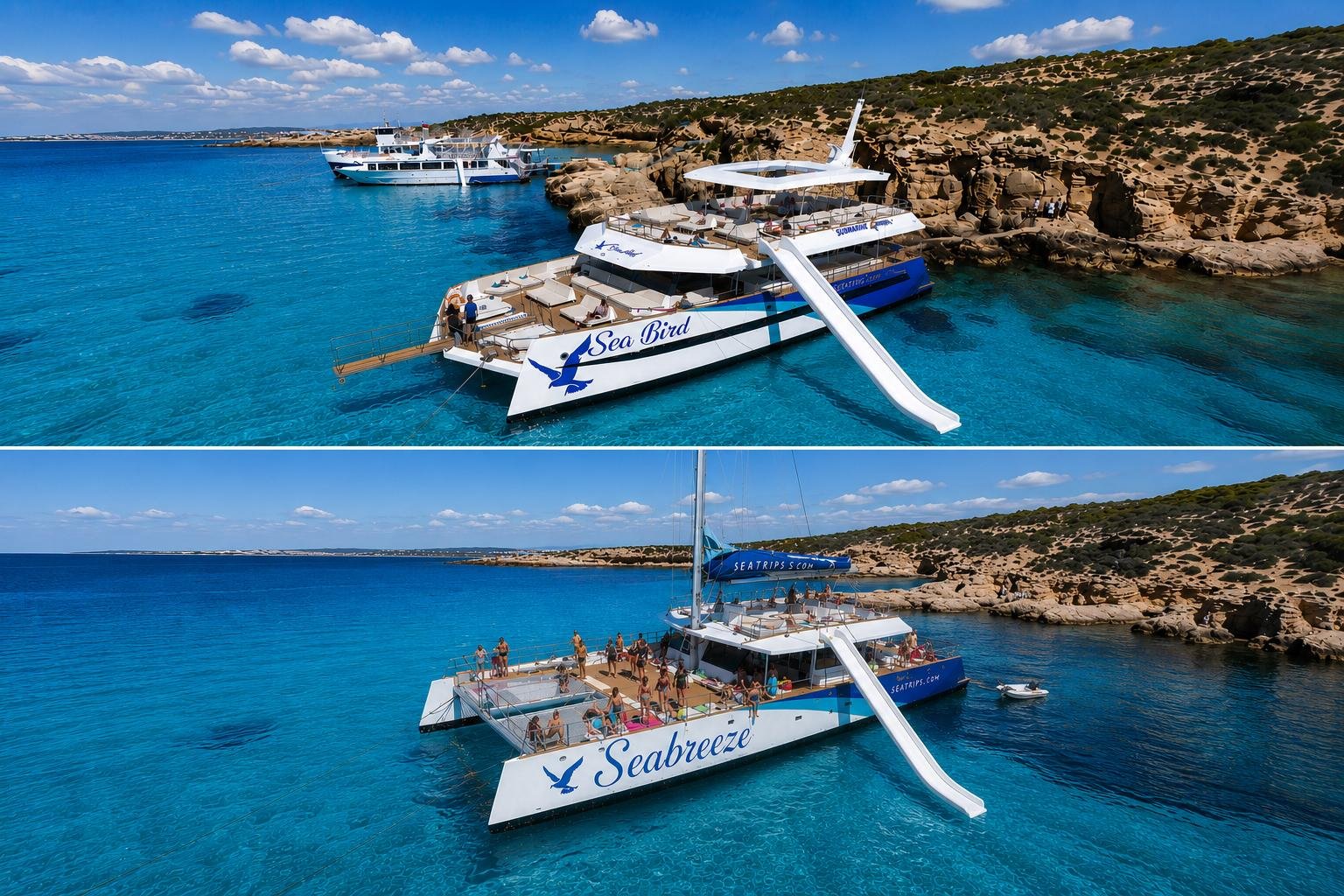
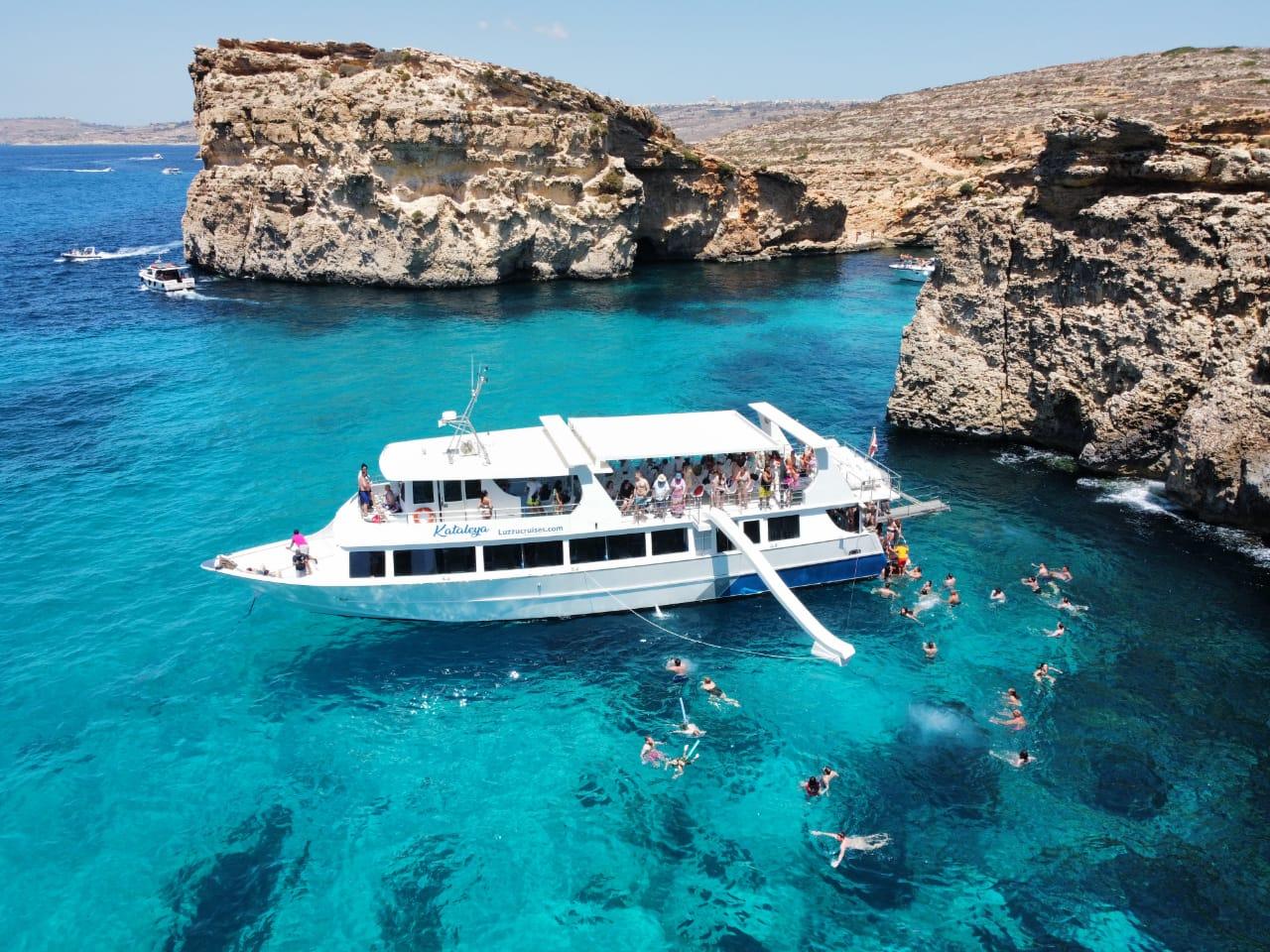
Comino Catamaran: Blue Lagoon, Crystal Lagoon & Sea Caves 6 hr
Guided Experience

Comino Catamaran: Blue Lagoon, Crystal Lagoon & Sea Caves

4.7 (7835)
€30
per person
Instant Mobile voucher Flexible — change up to 24h

Full-day catamaran voyage to Comino's turquoise lagoons, dramatic caves, and hidden swimming spots

Reserve
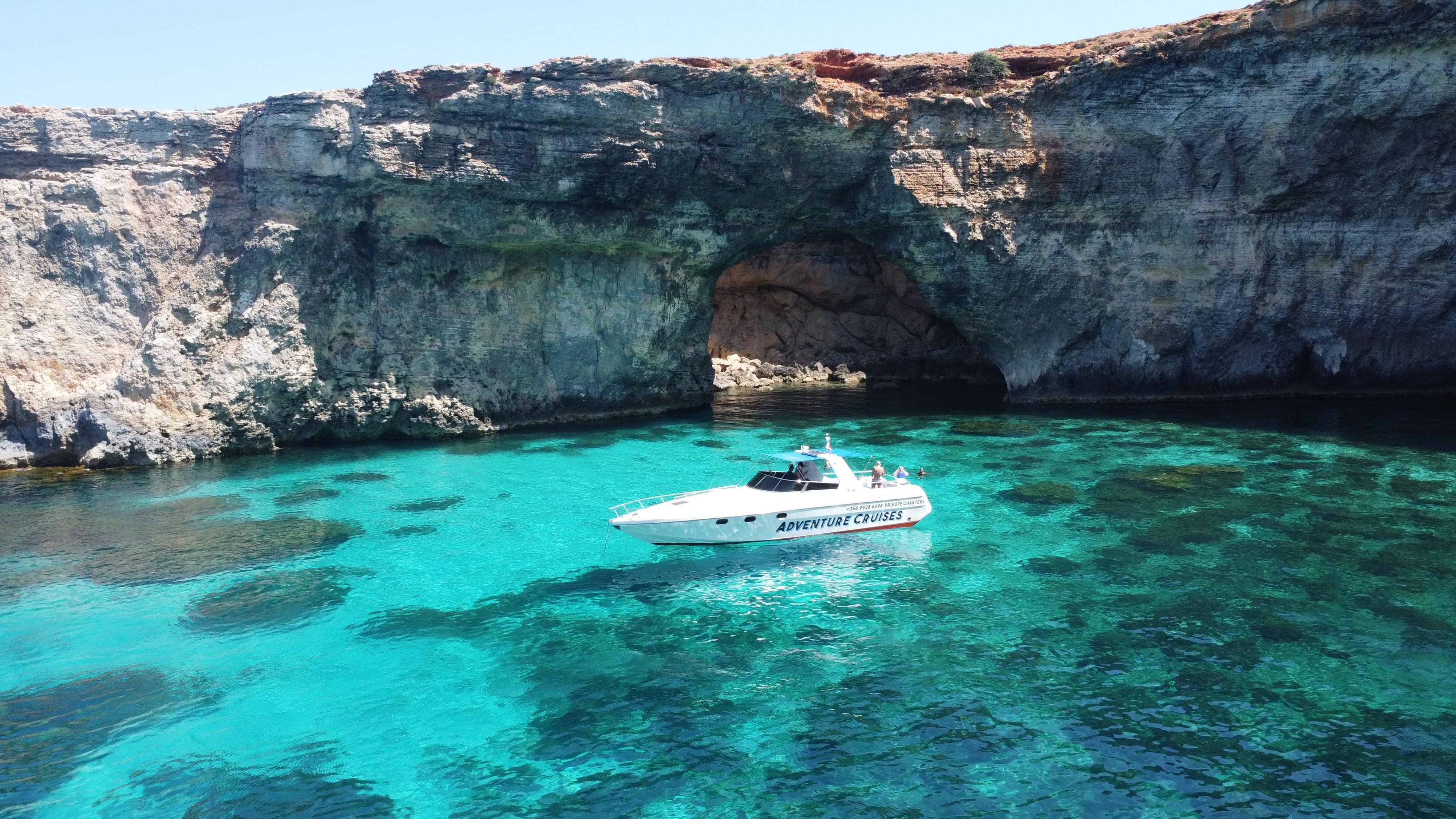
Comino Blue Lagoon, Gozo & Sea Caves Boat Adventure 5 hr
Standard Entry

Comino Blue Lagoon, Gozo & Sea Caves Boat Adventure

4.7 (3372)
€40
per person
Instant Mobile voucher Flexible — change up to 24h

Powerboat journey to turquoise lagoons, coastal caves, and Gozo's shores with swim stops and snorkel gear

Reserve

Prices from verified partners. Availability updates in real time at checkout. Free cancellation policies apply where shown.

What you'll do

Inside a tour, step by step

  1. 01 30m

    Departure

    Boat travel from main Rangiroa hub

  2. 02 2h

    Snorkeling

    Exploration of coral gardens

  3. 03 1h

    Lunch

    Picnic on a sandbank

  4. 04 30m

    Return

    Boat transfer back to base

Highlights

What you'll see inside the attraction

The landmarks, rooms, and views travelers on this tour remember — all visible on a single visit.

Coral Garden

Shallow reef areas teeming with vibrant tropical fish species. This is the primary snorkeling zone for guests

Wide angle underwater shot of coral

Coral Garden Rangiroa

Sandbank Motu

A pristine white sand island surrounded by turquoise waters. Perfect for photos and lunch breaks

Bright white sand under blue sky

Sandbank Motu Rangiroa

The Barrier Reef

The outer edge of the lagoon offering unique marine visibility. Home to various reef sharks and rays

Panoramic view of reef edge

Barrier Reef Rangiroa

Shark Nursery

A sheltered shallow area where young blacktip sharks are often seen. A remarkable encounter for nature observers

Close up of blacktip shark

Shark Nursery Rangiroa

Head to head

Rangiroa Blue Lagoon Excursion vs Tiputa Pass Drift Snorkeling — How to Choose

These experiences complement each other; most visitors who do both find the Tiputa Pass the more thrilling choice for large fauna observation. Choosing the right rangiroa blue lagoon excursion tours depends on whether you prefer peaceful swimming or high-energy marine currents.

Feature Top pick Blue Lagoon Excursion Tiputa Pass Snorkeling
Experience Type
High-speed current drift
Difficulty Level
High
Marine Life Focus
Dolphins and sharks
Best For
Advanced marine wildlife sightings
Required Skill Level
Strong swimmer with drift experience

Verdict: Select the rangiroa blue lagoon excursion tickets for a serene day in crystal-clear shallows, or choose the pass drift for a dynamic encounter with the ocean giants of this French Polynesia landmark using rangiroa blue lagoon excursion tour operators.

How your ticket works

Book your ticket in 3 steps

  1. 01

    Book online

    Choose your ticket, select your date, and reserve in under two minutes. Secure checkout handled by our verified partner.

  2. 02

    Receive your mobile voucher

    Instant confirmation by email, with a mobile voucher you can save offline. No printing, no queuing at a collection desk.

  3. 03

    Show & enter

    Arrive at the entrance, show your voucher on your phone, and walk in. Most tickets include priority or skip-the-line access.

Plan your visit

Everything you need to know before you go

Practical details for your visit straight from our verified partners — hours, access, rules, and how to get there.

Open today · 08:00–17:00
Opening Hours
08:00–17:00
Address
Blue Lagoon (Le Lagon Bleu), Rangiroa, French Polynesia
Entry Status
Paid boat excursion required
Best Window
08:00–16:00
Storage
None provided on boats
Navigation
Remote lagoon area
Mon
08:00–17:00
Tue
08:00–17:00
Wed
08:00–17:00
Thu
08:00–17:00
Fri
08:00–17:00
Sat
08:00–17:00
Sun
08:00–17:00
Main entrance

Avatoru Wharf

Main village area

Coordinate directly with boat operator

Address
Blue Lagoon (Le Lagon Bleu), Rangiroa, French Polynesia
Storage
None provided on boats
Navigation
Remote lagoon area

How to get there

🚆
Boat · 30-60m · Variable based on operator

Primary transport for all excursions

Dress code

Wear comfortable swimwear and UV-protective clothing for your rangiroa blue lagoon excursion. A light cover-up is recommended for the boat journey.

Bags & security

Keep all belongings in a waterproof dry bag during your rangiroa blue lagoon excursion. Space on transfer vessels is limited.

Photography

Underwater cameras are ideal for capturing marine life during a rangiroa blue lagoon excursion. Ensure your equipment is secured against salt water.

Accessibility

Access to the remote Blue Lagoon involves navigating shallow water and boarding small boats. It is not wheelchair accessible.

Mobile phones

Mobile reception is limited at the Blue Lagoon. Keep devices in a waterproof pouch.

What to bring

  • Reef-safe sunscreen
  • Snorkel gear
  • Waterproof camera
  • Towels
  • Wide-brimmed hat
  • Sunglasses
  • Reusable water bottle

Not allowed

  • Single-use plastics
  • Glass bottles
  • Harsh chemical sunscreens
  • Spearfishing gear
  • Drones
  • Loud speakers
  • Alcohol
  • Pet animals
  • Heavy luggage

Families & strollers

The shallow, calm waters of this Rangiroa landmark are suitable for supervised children. Life vests should be worn at all times during the boat trip.

Food & drink

Most operators include a picnic lunch on a motu during a rangiroa blue lagoon excursion. Bring your own reusable water bottle.

Pets

Pets are strictly prohibited from all transport boats and protected lagoon areas.

Good to know

The Blue Lagoon is a fragile ecosystem. Do not touch or stand on the coral during your tour.

Meeting point

Where to find us

Avatoru Wharf

Main village area

Coordinate directly with boat operator

Get directions
Around your visit

Everything else worth knowing

Best time to go, insider tips, nearby landmarks, and the cancellation fine print — flip through to skim what matters to you.

Best time to visit

How crowds, weather, and events shift across the year.

May–October

Cooler temperatures and lower humidity make for ideal conditions. This is the prime season for a rangiroa blue lagoon excursion.

November–April

Warmer weather with occasional rain showers. The lagoon remains accessible between 08:00 and 17:00.

Helpful tips for your visit

Small details that turn a good visit into a great one.

Early Arrival

Target the 08:00 window to enjoy clearer water conditions. This allows more time for exploration before potential afternoon winds.

Reef Protection

Apply reef-safe sunscreen at least 20 minutes before entering the water. Protects both your skin and the delicate marine ecosystem.

Nearby landmarks

Non-bookable sights within a short walk — free to visit, easy to pair.

Tiputa Pass

15m

Site known for dolphin sightings and drift dives

Avatoru Village

10m

Local shops and island culture hub

Cancellation policy

Flexible, no hidden fees.

Full refunds are typically provided if a rangiroa blue lagoon excursion is canceled at least 24 hours in advance. No conservation fees are applicable as the entry is 0 XPF.

Where to stay

Hotels & districts near the attraction

Hand-picked options within walking distance — pick a district for vibe, or a specific hotel for convenience.

Rangiroa Resort

15m
luxury

High-end island stay with lagoon access

Local Guesthouses

10m
mid-range

Traditional Polynesian family hospitality

About

The place, in context

The Blue Lagoon lies an hour northeast of Avatoru Pass, a shallow basin carved into Rangiroa's reef rim where the Pacific floods turquoise over white sand and the depth never exceeds three metres. French Polynesia catalogues dozens of motus—low coral islets—but few assemble the precise geometry that makes Le Lagon Bleu a destination: a ring of sand and coconut palms enclosing water so still and clear that blacktip reef sharks appear suspended in glass. The lagoon was named by local pearl farmers in the 1970s, who anchored boats here during rough weather and discovered that snorkelers could drift for hours without encountering current or surge. Rangiroa itself is the second-largest atoll on Earth, a coral necklace 75 kilometres across with a lagoon interior that could swallow the island of Tahiti. Most visitors arrive for the passes—Tiputa and Avatoru—where tidal rush draws dolphins, manta rays, and pelagic schools. The Blue Lagoon offers the opposite experience: isolation, visibility exceeding 30 metres, and reef gardens untouched by the currents that shape the atoll's outer edges. Tour operators began running rangiroa blue lagoon excursion routes in the 1980s, ferrying day visitors across the atoll's interior lagoon to snorkel, picnic, and explore the small motus that fringe the basin. By the 1990s the site had earned protection under French Polynesia's marine reserve framework, limiting anchoring and prohibiting spearfishing. The coral here is Porites and Acropora, species that thrive in shallow light. Parrotfish graze the algae-covered bommies, triggering the crunch audible to snorkelers a metre above. Juvenile lemon sharks patrol the sand flats at dawn, hunting gobies and crustaceans before retreating to deeper channels. The reef's health reflects Rangiroa's geographic isolation—850 kilometres from Tahiti, 400 from the nearest airstrip—and the atoll's low human density. Fewer than 3,000 residents live along the northern rim, most in Avatoru and Tiputa villages, and tourism remains small-scale, anchored to family-run pensions and dive centres rather than resorts. Access to the Blue Lagoon requires a boat. No road crosses the atoll's interior, and the lagoon sits too far from the inhabited rim for kayak transit. Operators depart Avatoru between eight and nine in the morning, crossing 18 kilometres of open lagoon before threading through the coral heads that mark the basin's entrance. The return journey leaves by mid-afternoon, timed to the trade winds that calm before sunset. A rangiroa blue lagoon excursion tour typically includes snorkel equipment, a grilled lunch on one of the motus, and a guide who knows the reef's contours well enough to anchor where visibility and coral density align.

"Blacktip reef sharks appear suspended in glass."
Your experience

What a tour day looks like

A step-by-step walkthrough of the visit — what you'll see, how long each stage takes, and the details that matter.

You leave Avatoru Pass at eight-thirty, the boat a fibreglass skiff with bench seating and a canvas awning. The lagoon stretches flat and blue, the horizon broken only by the low line of motus to the south. Forty minutes in, the water shifts from cobalt to turquoise, then pale jade as the depth drops to ten metres, then five. The guide cuts the engine and you drift toward a crescent of sand fringed by coconut palms. You pull on fins and lower yourself over the gunwale. The water is 26 degrees, warm enough that a rash guard suffices. Visibility extends 35 metres in every direction. Below, the sand is rippled and white, interrupted by coral bommies the size of armchairs. A school of yellowtail goatfish moves past, trailing barbels through the sand. You fin toward the reef edge where the coral thickens—table Acropora, branching staghorn, massive Porites domes crusted with Christmas tree worms. A hawksbill turtle surfaces ten metres away, exhales, and descends again. By noon the guide has grilled mahi-mahi over coconut husks on the beach. You eat under the palms, feet in the sand, the lagoon glittering at the tide line. At two o'clock you board for the return crossing, the trade wind filling in from the east, the atoll's far rim still invisible beyond the curve of the Earth.

Frequently asked

Frequently asked questions about rangiroa blue lagoon excursion tours

What are the opening hours for a rangiroa blue lagoon excursion?

The Blue Lagoon is accessible between 08:00–17:00 daily. We recommend visiting during the best arrival window of 08:00–16:00.

Is the entrance to the lagoon free?

Yes, the entrance fee is 0 XPF, though transport requires a paid boat excursion.

What is the best time for a rangiroa blue lagoon excursion tour?

The best window is 08:00–16:00 to maximize daylight for activities. Early morning sessions often provide the calmest waters.

Are children allowed on these trips?

Yes, children are welcome on a rangiroa blue lagoon excursion with appropriate supervision. Always verify life jacket sizing with your operator.

Do I need to book my rangiroa blue lagoon excursion tickets in advance?

Yes, advance booking is recommended to secure a spot for your rangiroa blue lagoon excursion. Check the live inventory for availability.

Is snorkeling equipment provided?

Most operators include snorkeling gear in the price of their rangiroa blue lagoon excursion. Confirm specific equipment needs with your provider.

What happens if the weather is bad?

Trips may be rescheduled or cancelled by the operator for safety. Policies are grounded in the cancellation rules of your specific booking.

How do I reach the Blue Lagoon?

Access is strictly via a paid boat excursion from Rangiroa hubs like Avatoru. There is no independent land access.

Can I bring my own food?

Picnics are typically included in your rangiroa blue lagoon excursion. Check your booking details to see if refreshments are provided.

Are there lockers available?

No, there are no public lockers at the site. Bring a waterproof dry bag for your personal items during your rangiroa blue lagoon excursion.