8 hr
Blue Lagoon & Avatoru Pass Full-Day Eco Adventure
Discover Rangiroa's pristine lagoons, snorkel with reef sharks, savor local cuisine on a private motu
Reserve
Hand-picked by our editors — only the best 5 excursions from 12 reviewed.
Verified partners for every tour, free cancellation where available, and instant confirmation on every booking.
8 hr
Discover Rangiroa's pristine lagoons, snorkel with reef sharks, savor local cuisine on a private motu
Reserve
8 hr
Discover Rangiroa's turquoise lagoon, snorkel alongside sharks, and savor Polynesian flavors on a pristine pink sand beach.
Reserve
8 hr
Explore fossilized coral formations, snorkel vibrant reefs, watch dolphins at Tiputa Pass, and savor a traditional Polynesian feast on a private motu.
ReservePrices from verified partners. Availability updates in real time at checkout. Free cancellation policies apply where shown.
The landmarks, rooms, and views travelers on this tour remember — all visible on a single visit.
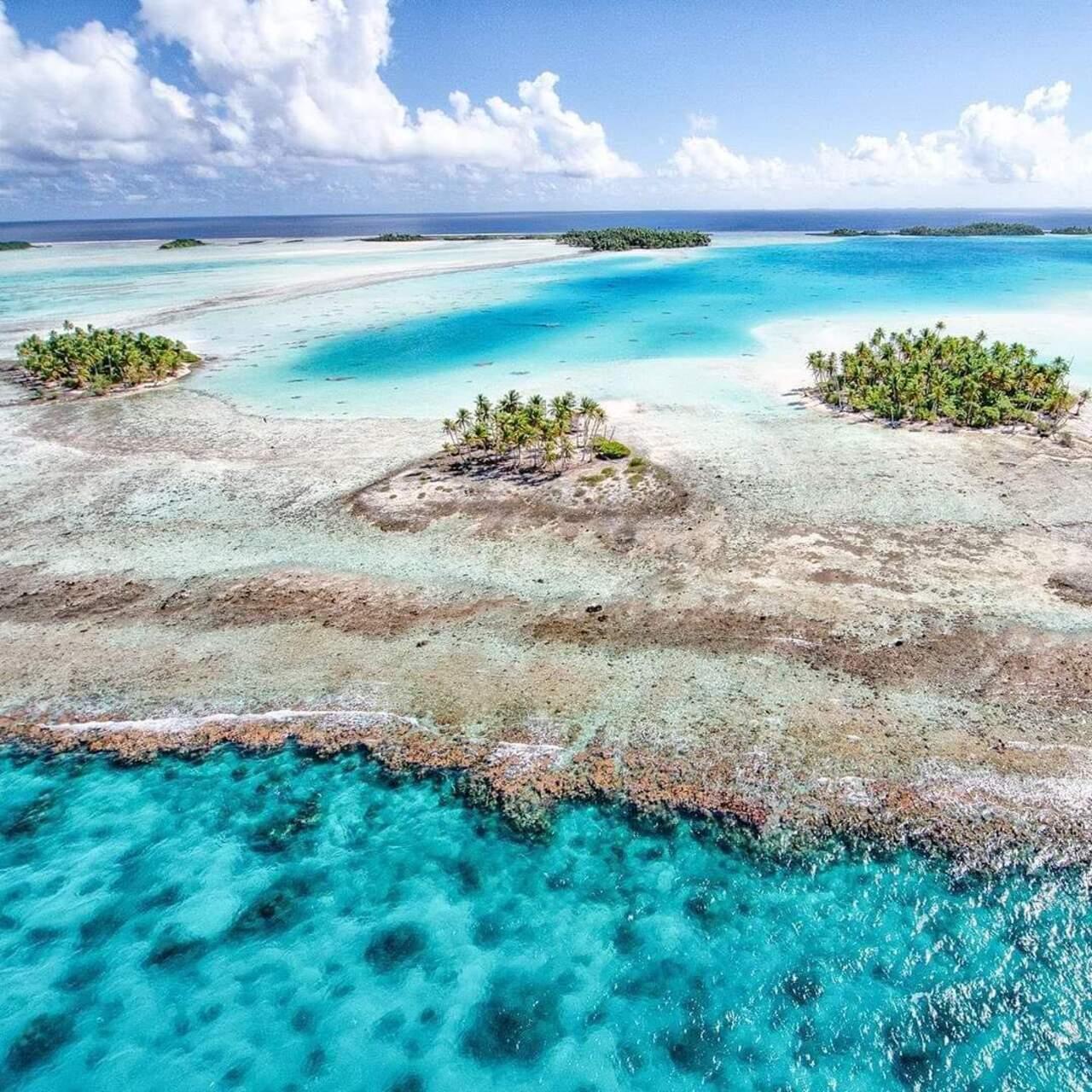
Expansive areas of vibrant coral reefs perfect for snorkeling at low depths. The water here is famous for its clarity and abundance of tropical fish.
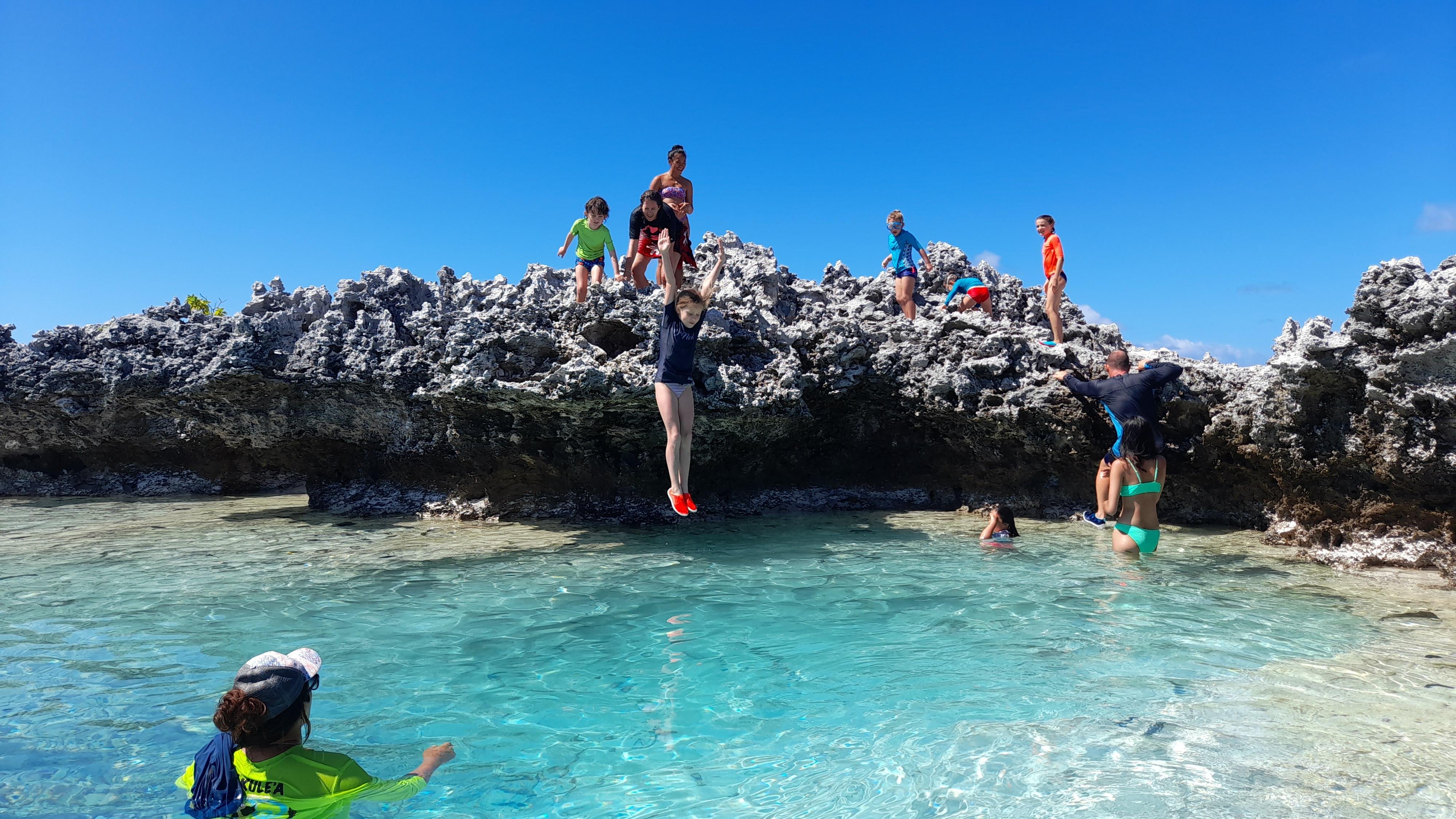
The Blue Lagoon offers a shallow, enclosed turquoise sanctuary, while Île aux Récifs provides a more rugged, geological exploration of fossilized coral formations. These Rangiroa landmarks complement each other; most visitors who do both find the lagoon better for swimming, while the reef tour is superior for nature observation.
| Feature | Top pick Blue Lagoon | Île aux Récifs |
|---|---|---|
Primary Feature |
Shallow sandy lagoon | Fossilized coral pinnacles |
Snorkeling Quality |
High (coral gardens) | Moderate (rocky channels) |
Geological Focus |
Atoll sedimentation | Raised fossilized reef |
Boat Travel Time |
60–90 minutes | 45–60 minutes |
Difficulty Level |
Low (wading focus) | Moderate (walking on rock) |
Recommended For |
Leisure seekers | Geology enthusiasts |
| See tickets → |
Verdict: Select the best blue lagoon tour rangiroa tours if you prioritize pristine swimming waters, or choose the reef island to secure best blue lagoon tour rangiroa tickets for a more distinctive, rugged adventure.
Choose your ticket, select your date, and reserve in under two minutes. Secure checkout handled by our verified partner.
Instant confirmation by email, with a mobile voucher you can save offline. No printing, no queuing at a collection desk.
Arrive at the entrance, show your voucher on your phone, and walk in. Most tickets include priority or skip-the-line access.
Practical details for your visit straight from our verified partners — hours, access, rules, and how to get there.
Avatoru, Rangiroa
Primary departure point for most excursions.
The only mode of transport to the site is via hired boat excursion. Operators depart from Avatoru or Tiputa wharves.
Wear light, breathable clothing and swimwear appropriate for a tropical marine environment. Bring a hat and polarized sunglasses to protect against intense sun reflection on the water.
Use waterproof dry bags for your belongings during the boat transit. Secure all personal items as there is no storage facility at the remote sandbars.
Bring a waterproof camera or a protective housing for your mobile device. Aerial shots of the lagoon are possible if your tour includes a high-vantage boat configuration.
Access requires boarding and disembarking from small motorized boats into shallow water. This activity is not suitable for individuals with limited mobility or wheelchair users.
Mobile signal is limited or non-existent in the outer reaches of the lagoon. Protect phones from salt water and sand at all times.
The best blue lagoon tour rangiroa is suitable for children comfortable with swimming in open ocean conditions. Life jackets are mandatory and provided by all reputable operators.
Most excursions provide a traditional Polynesian lunch, typically consisting of fresh fish, fruit, and local beverages. Bring extra bottled water to stay hydrated throughout the day.
Animals are not permitted on boat tours to the lagoon for safety and environmental conservation reasons. Please arrange local boarding in Tiputa or Avatoru.
The best blue lagoon tour rangiroa relies on tidal conditions for safe boat passage. Always verify departure times with your local boat captain the evening before your trip.
Best time to go, insider tips, nearby landmarks, and the cancellation fine print — flip through to skim what matters to you.
How crowds, weather, and events shift across the year.
The dry season offers lower humidity and consistent trade winds. Water visibility for snorkeling is at its peak during these months.
This period sees higher humidity and occasional rain showers. Temperatures remain warm but boat tours may face schedule changes due to wind.
Small details that turn a good visit into a great one.
Reserve your spot during the peak season months of July and August to ensure availability.
Non-bookable sights within a short walk — free to visit, easy to pair.
A world-renowned channel known for dolphin sightings and drift snorkeling.
The destination itself featuring shallow turquoise pools and bird sanctuaries.
The administrative center of the atoll with local craft shops and churches.
Flexible, no hidden fees.
Full refunds are typically available for cancellations made 24 to 48 hours prior to departure. The 0 XPF entrance fee is not subject to refund as it is a public access area.
Hand-picked options within walking distance — pick a district for vibe, or a specific hotel for convenience.
High-end resort offering overwater bungalows.
Remote eco-friendly accommodation on a private motu.
Standard hotel facilities in the main village area.
Rangiroa's Blue Lagoon occupies a shallow coral basin on the atoll's southeastern rim, accessible only by motorized outrigger across 35 kilometers of open lagoon from the main village of Avatoru. The site earned its name from the gradient of sand and living coral that refracts sunlight into tones ranging from cobalt at the reef edge to near-white in knee-deep shallows, a spectrum visible from fixed-wing aircraft descending into the atoll's single airstrip. French Polynesian authorities designated the lagoon a protected marine zone in 1992, restricting anchoring and fishing to preserve the resident population of blacktip reef sharks and juvenile lemon sharks that patrol the tidal channels linking the inner basin to the outer Pacific. Rangiroa itself is the second-largest atoll on Earth by lagoon area, spanning 1,640 square kilometers of enclosed water broken by more than 240 coral islets, locally called motu. The atoll's two permanent passes — Avatoru and Tiputa — funnel nutrient-rich ocean water through channels no wider than 200 meters, creating currents that support over 400 catalogued fish species and seasonal aggregations of bottlenose dolphins. Jacques Cousteau surveyed the passes aboard Calypso in 1987, later describing Tiputa as one of the five densest concentrations of pelagic life he had encountered in 40 years of expedition work. The Blue Lagoon lies beyond the reach of these high-energy channels, sheltered by continuous reef walls that reduce wave action to near zero during trade-wind months. Modern best blue lagoon tour rangiroa excursions follow a protocol established by the atoll's three licensed tour operators, who rotate departure slots to prevent overcrowding at the lagoon's three designated mooring zones. Each outrigger carries snorkeling gear calibrated for the site's depth range — rarely exceeding three meters — and skippers are required to brief passengers on no-touch protocols before disembarkation. The coral formations here include table coral platforms dating to the atoll's formation roughly 2,000 years ago, their surfaces colonized by Christmas tree worms and feather-duster clusters that retract at the faintest vibration. Visibility averages 30 meters year-round, a clarity sustained by the lagoon's isolation from sediment runoff and the twice-daily tidal exchange that refreshes the basin through narrow fissures in the encircling reef. The logistical challenge of reaching the Blue Lagoon has preserved it as a low-density destination; fewer than 8,000 visitors per year transit the site, a figure constrained by Rangiroa's limited accommodation inventory and the atoll's position 350 kilometers northeast of Tahiti. Tour schedules align with neap tides to minimize current strength in the crossing lagoon, and most operators include a stop at Île aux Récifs, a sand motu where dolphins forage during morning hours. The combination of distance, permit limitations, and weather dependency has kept the Blue Lagoon tour a day-long commitment rather than a quick excursion, reinforcing its reputation as the centerpiece of any Rangiroa itinerary.
"Jacques Cousteau surveyed the passes aboard Calypso in 1987, later describing Tiputa as one of the five densest concentrations of pelagic life he had encountered in 40 years of expedition work."
A step-by-step walkthrough of the visit — what you'll see, how long each stage takes, and the details that matter.
You board the outrigger at Avatoru wharf shortly after eight in the morning, when the lagoon surface lies flat under southeast trades. The skipper throttles up, and within minutes the village shoreline dissolves into a low green smudge as the boat tracks south across open water. The crossing takes 90 minutes; you pass scattered coral heads visible through three meters of transparency, their surfaces crowded with parrotfish and triggerfish that scatter at the engine's approach. Midway, the skipper cuts speed to point out a pod of spinner dolphins arcing parallel to the hull, their bodies silhouetted against the sand bottom. The Blue Lagoon announces itself as a shift in water color — from deep azure to luminous cyan — as the bottom rises to less than two meters. You anchor in a designated zone marked by a single buoy, don mask and fins, and slip over the gunwale into water warm enough to forgo a wetsuit. Beneath you, table corals spread in terraced shelves, their edges lined with anthias and damselfish. Blacktip reef sharks patrol the perimeter, unbothered by your presence. You spend an hour drifting over the coral garden, then return to the boat for a packed lunch served on deck while the skipper relocates to Île aux Récifs, a sand islet fringed with coconut palms, where you wade ashore for a brief rest before the return crossing to Avatoru.
The Blue Lagoon is open daily from 08:30–17:30. Visitors should coordinate with their tour operator for specific boat departure times.
Entrance is 0 XPF, though accessing the remote atoll requires booking a paid boat tour. You are essentially paying for the transport service rather than an entry ticket.
The best arrival window is 08:30–16:30. These hours provide the most daylight for snorkeling and lagoon activities.
No, the Blue Lagoon is a remote site reachable only via professional boat tours. There is no public ferry or road access.
Yes, children are welcome on most excursions provided they are supervised and comfortable with swimming. Always check the operator's specific age policies.
Yes, the best blue lagoon tour rangiroa typically includes time for snorkeling. Equipment is usually provided, though you may bring your own mask if preferred.
You should bring reef-safe sunscreen, a waterproof camera, a hat, and a dry bag. Don't forget your swimwear and a towel for the day.
You can book the best blue lagoon tour rangiroa through local hotels or specialized activity desks in Avatoru. Ensure you verify the duration and inclusions before confirming.
Wear casual beach attire and swimwear. Bringing a light cover-up or shirt is recommended to prevent sunburn during the boat ride.
Yes, the Tiputa Pass is a nearby landmark often discussed in relation to Rangiroa lagoon tours. Many visitors combine lagoon trips with dolphin watching in the pass.